

Uganda’s school dropout crisis spurs new DTB–Furaha digital loan scheme
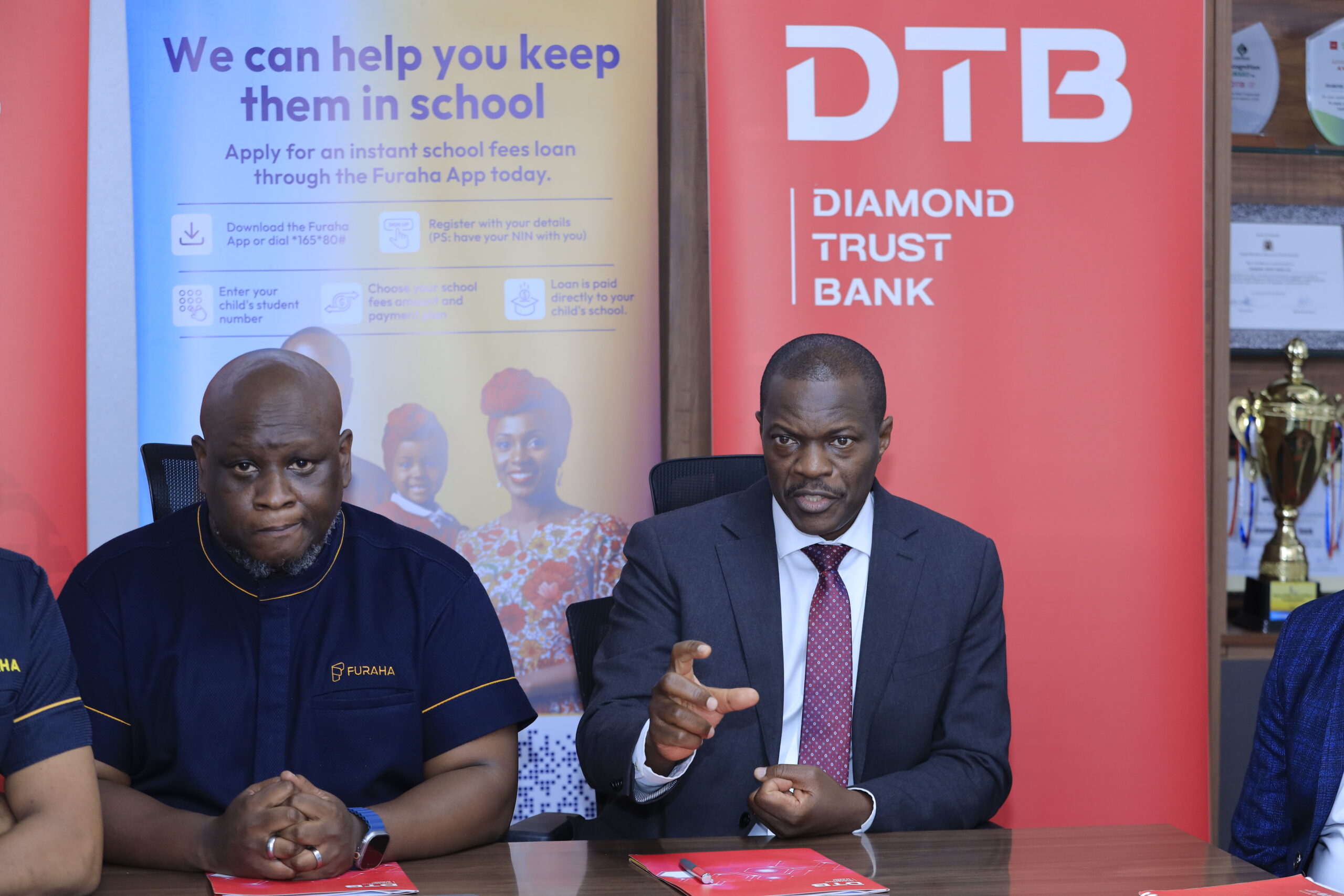
Kampala, Uganda — With Uganda losing nearly an entire generation of learners before they reach upper secondary school, Diamond Trust Bank (DTB) Uganda and local fintech Furaha Finserve have launched a digital school-fees loan system aimed at keeping children in class.
The timing is significant: Ministry of Education figures show that only 10% of pupils who started Primary One in 2012 completed Senior Six in 2024, a statistic that underscores the financial strain families face every term.
A digital fix for an expensive system
The newly unveiled DTB–Furaha School Fees Loan gives parents instant access to short-term school-fee financing through the Furaha app or USSD 16580#. Funds are disbursed directly to schools, an approach meant to cut out delays, paperwork and the risk of misallocation.
DTB Uganda CEO Godfrey Sebaana said the model responds to a gap that traditional banking has failed to address:
“Parents are under enormous termly pressure. This solution is meant to keep children in school, not send them into cycles of disruption,” he said.
“Our ambition is to support more than one million children over the next five years.”
Sebaana also noted that despite long-standing educational investments through the Aga Khan Development Network, students continue to fall out of the system due to inconsistent fee payments, a challenge DTB sees as financial, not academic.
Fintech infrastructure meets social need
Furaha Finserve, the Ugandan tech company powering the platform, positions itself not as a lender but as the digital backbone enabling targeted, purpose-based financing.
CEO Dennis Musinguzi said the school-fees loan was built with one priority: keeping families from having to choose between education and survival.
“This product doesn’t hand out cash. Fees go directly to the school, and parents repay over the term,” he said.
“Our role is the technology — simple access, 24/7 availability, and no paperwork.”
A temporary relief, not a structural cure
Though convenient, the product arrives in a sector facing more systemic issues. School-fees financing risks pushing vulnerable households into debt if not used cautiously. Analysts argue that Uganda’s chronic underfunding of public education has forced schools to rely heavily on parental contributions, turning fees into a national choke point.
Still, with more than 20,000 schools across the country and parents who frequently face mid-term income shocks, the digital loan may offer short-term stability in an otherwise unstable system.

A broader digital credit push
DTB and Furaha plan to expand the partnership to include financing for electric motorcycles and clean-energy assets signalling a wider play in affordable digital credit linked to social-impact sectors.
The success of the DTB–Furaha School Fees Loan will hinge not on downloads or loan volumes but on whether it tangibly reduces classroom disruptions, a problem that has long discouraged learners and overwhelmed parents
For now, it gives families an additional option in a country where options are limited and the cost of failing to pay school fees is measured in futures cut short.