


Uganda’s growth story strengthens as debt concerns linger
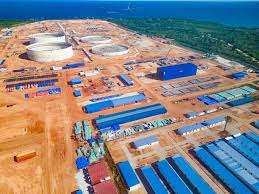
Photo: APT News
Uganda’s economic prospects have received a boost following a decision by S&P Global Ratings to revise the country’s outlook from stable to positive, citing resilient growth, improved external balances, and recovery from recent global and domestic shocks.
The revision, announced on 7 November 2025, maintains Uganda’s B-/B sovereign credit rating and reflects confidence in the country’s medium-term economic trajectory. Analysts attribute the improved outlook to steady economic expansion, stronger export performance, rising foreign exchange reserves, and progress on major oil and gas projects.
Uganda’s economy grew by an estimated 6.3 percent in the 2024/25 financial year and is projected to average 6.4 percent growth between FY2026 and FY2028. This expansion has increased the size of the economy from UGX 183 trillion in 2023 to nearly UGX 228 trillion in 2025. Growth has been driven largely by agriculture, construction, and manufacturing, with output rising faster than population growth, improving prospects for income generation.
Momentum is also being supported by developments in the oil and gas sector. The Tilenga, Kingfisher, and East African Crude Oil Pipeline projects are expected to be completed by late 2026, with first oil anticipated by the end of that year. At peak production, Uganda could produce up to 230,000 barrels of oil per day by 2030. Projections indicate that oil revenues could contribute between one and two percent of GDP annually starting in FY2027, provided revenues are managed transparently through the Petroleum Fund.
Uganda’s external position has strengthened significantly in 2025. Foreign exchange reserves rose to a record USD 5.4 billion in September, up from USD 3.3 billion earlier in the year. This increase has supported currency stability and helped ease inflationary pressures. Inflation declined to 3.4 percent in October 2025, below the Bank of Uganda’s five percent target, while the Ugandan shilling appreciated by over five percent during the year.
Export earnings have also improved, supported by higher global prices for coffee and gold. As a result, the trade deficit narrowed to 4.2 percent of GDP in FY2025, down from an average of 6.6 percent over the previous four years. In addition, Uganda regained access to concessional financing after the World Bank approved more than USD 2 billion in new project funding in October 2025.
Despite these gains, fiscal risks remain a major concern. Uganda’s public debt has risen to about UGX 120 trillion, with domestic borrowing accounting for roughly half of the total. Increased reliance on domestic debt, which carries higher interest rates, has pushed interest payments to UGX 7 trillion in FY2025, up from UGX 3 trillion in 2019. This has reduced the fiscal space available for essential services such as health, education, and agriculture.
Concerns have also been raised about fiscal discipline. Government approved three supplementary budgets in FY2024/25 totaling UGX 5.7 trillion, largely to finance unplanned expenditures. Economists warn that frequent supplementary budgets undermine fiscal credibility and complicate long-term planning, particularly as the country approaches an election cycle.
Revenue collection continues to lag behind regional peers. At 14 percent of GDP, Uganda’s tax-to-GDP ratio remains below that of Kenya and Rwanda. Limited revenue growth has constrained government’s ability to finance development priorities without increasing borrowing. At the same time, commercial banks have expanded their holdings of government securities, slowing the growth of private sector credit and dampening business expansion.
While export-led improvements have strengthened headline indicators, the distribution of benefits remains uneven. Most coffee is produced by smallholder farmers, yet they capture a relatively small share of export earnings. Gold exports, although contributing significantly to foreign exchange inflows, are dominated by large conglomerates, raising concerns about inclusive growth.
Institutional capacity also remains under scrutiny. S&P classifies Uganda’s institutional strength as weak, citing centralized decision-making and limited oversight. Analysts argue that stronger institutions, improved transparency, and more predictable fiscal management will be necessary to sustain the positive outlook.
Uganda’s revised economic outlook reflects growing confidence in the country’s potential. However, translating macroeconomic gains into tangible benefits for citizens will depend on managing debt prudently, strengthening revenue collection, protecting social spending, and ensuring that future oil revenues are used responsibly.