

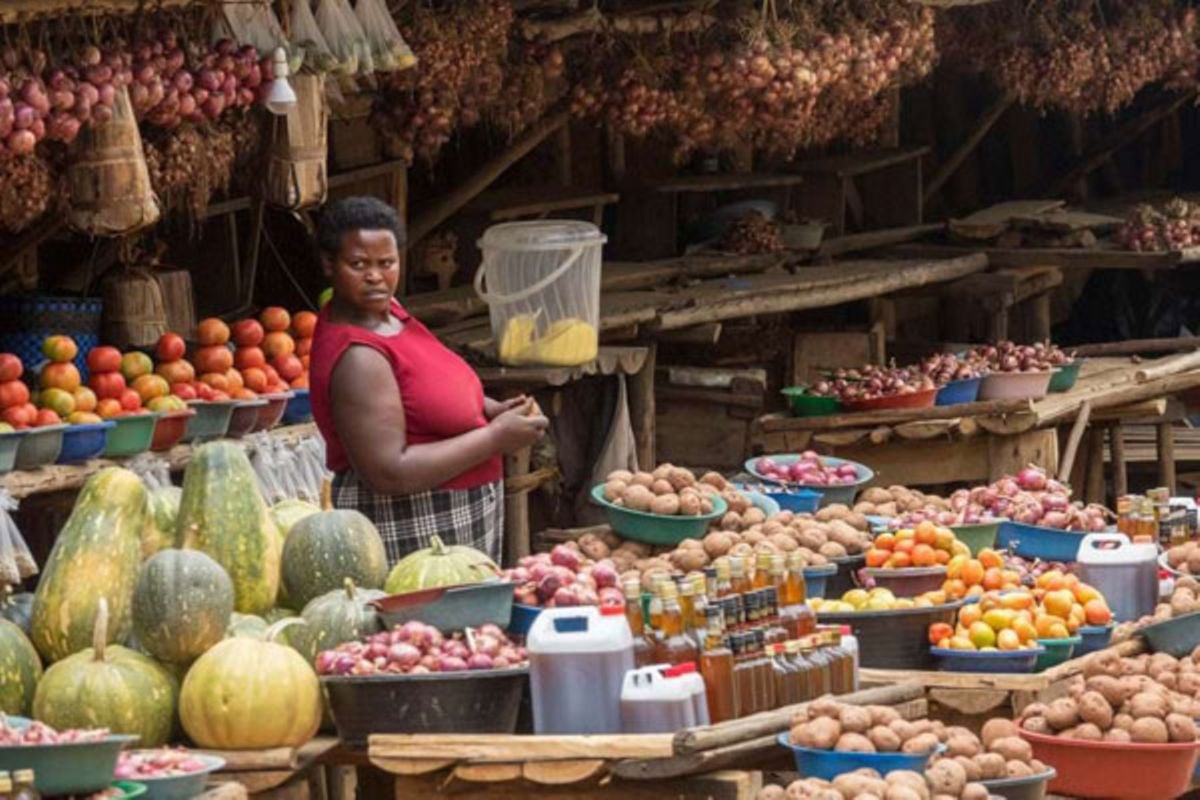
Uganda holds rates steady as oil boom fuels strong growth outlook
Uganda’s economic outlook for 2026 remains firmly positive, with strong growth momentum, stable inflation, and rising investor confidence shaping the country’s financial trajectory, according to the February 2026 Monetary Policy Report.
The Bank of Uganda (BoU) has opted to maintain the Central Bank Rate at 9.75%, signaling a cautious but confident approach as the economy expands. The decision reflects the central bank’s commitment to anchoring inflation near its 5% target while supporting sustainable economic growth in a rapidly evolving domestic and global environment.
Growth set to accelerate
Uganda’s economy is projected to grow between 6.5% and 7.0% in the 2025/26 financial year, with further acceleration to around 8.0% in the medium term. This growth is underpinned by strong public investment, particularly in infrastructure, alongside resilient private consumption and a rapidly expanding services sector.
Recent data shows that the economy grew by an average of 6.3% during the first three quarters of 2025, with services leading the charge at 5.7% growth. Increased government spending, up 22.8%, and a 13.2% rise in investment, especially in ICT and transport equipment, have further reinforced this upward trajectory.
High-frequency indicators such as the Purchasing Managers’ Index continue to signal expansion in private sector activity, reflecting sustained business confidence.
Inflation remains contained
Despite global pressures, Uganda has maintained a relatively low inflation environment. Headline inflation edged up slightly to 3.2% in January 2026, while core inflation rose to 3.3%.
The modest increase was largely driven by higher service costs, including air transport and financial services, alongside rising fuelwood prices. However, inflation is expected to remain within a manageable range of 3.8% to 4.3% over the next year before gradually converging to the 5% target by late 2026 as domestic demand strengthens.
Oil Sector Boosts External Position
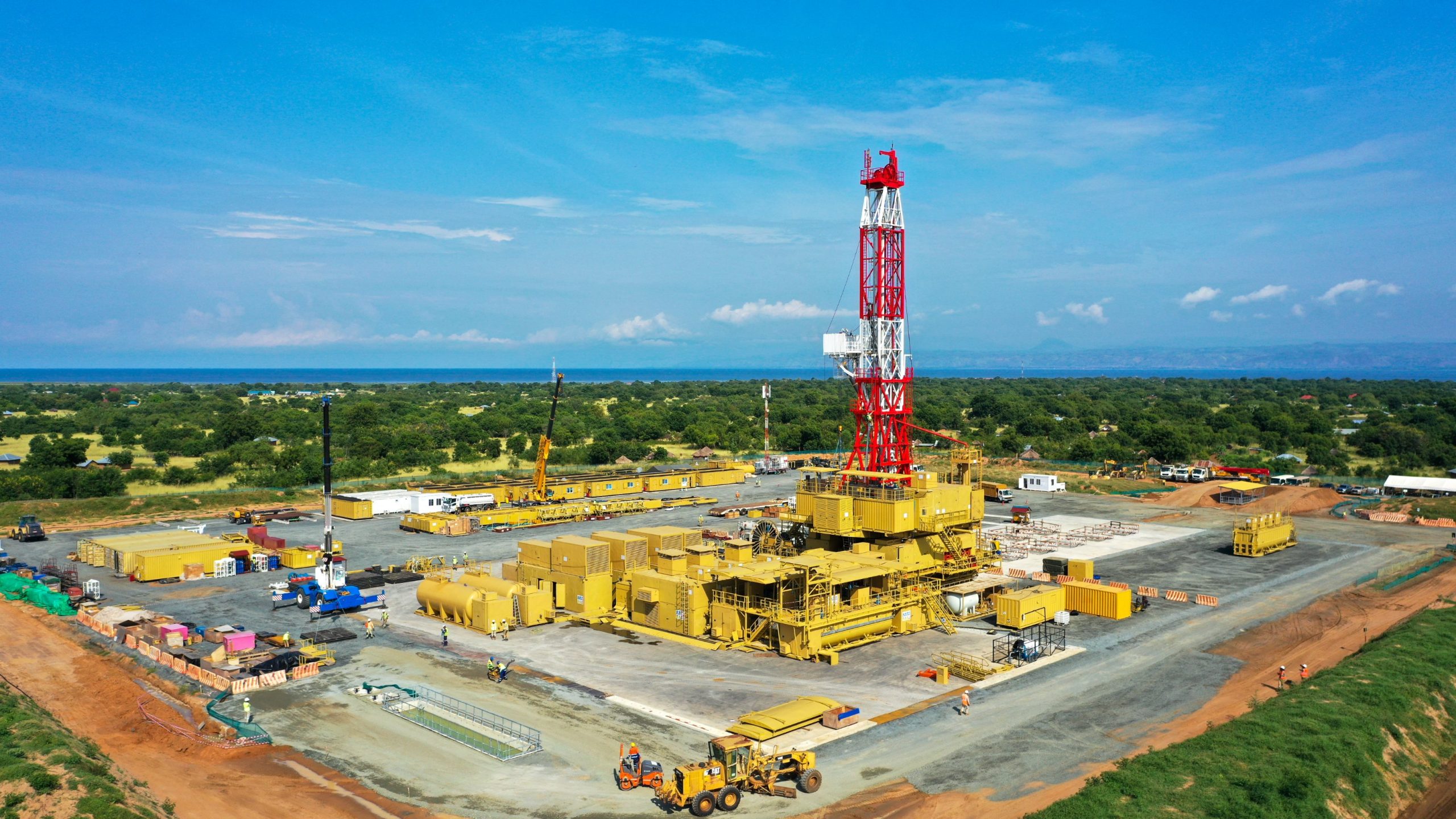
Uganda’s emerging oil sector is playing a transformative role in shaping the country’s macroeconomic stability. Strong foreign direct investment inflows amounting to US$3.45 billion have been largely driven by oil-related projects and infrastructure development.
The Uganda shilling has appreciated by 3.4% against the US dollar, supported by robust export earnings and steady remittance inflows. Coffee exports are projected to grow by more than 15% in the current fiscal year, helping to narrow the trade deficit.
Meanwhile, international reserves remain solid at US$5.6 billion, equivalent to nearly four months of import cover, providing a critical buffer against external shocks.
Oil production is expected to further strengthen the exchange rate by boosting export revenues and foreign currency inflows. However, it may also introduce inflationary pressures through increased domestic demand and spending, requiring careful monetary management.
Fiscal pressures persist
Despite the positive growth narrative, fiscal challenges remain a concern. The government recorded a budget deficit of Shs. 6.5 trillion in the first half of the financial year, significantly above target, due to revenue shortfalls and higher expenditure.
Total revenue and grants fell short by Shs. 1.63 trillion, reflecting weak tax compliance and declining external support. At the same time, debt servicing costs are rising, with projections indicating that they will consume up to 45.3% of domestic revenue in FY2025/26.
These pressures highlight the need for improved revenue mobilization and prudent fiscal management to maintain long-term sustainability.
Global uncertainty and domestic risks
Uganda’s economic outlook is also influenced by global dynamics. While global growth is expected to stabilize at around 3.3% in 2026, uncertainties persist, including commodity price volatility and shifting monetary policies in advanced economies.
Domestically, key risks include potential delays in oil production, climate-related disruptions to agriculture, and geopolitical tensions that could drive up global oil prices.
At the same time, upside risks remain. Faster implementation of Uganda’s industrialization strategy and accelerated investment in the extractive sector could further boost growth beyond current projections.
A balancing act
Overall, Uganda enters 2026 with a strong economic foundation, characterized by robust growth, stable inflation, and improving external balances. However, sustaining this momentum will require careful policy coordination to manage fiscal pressures and external risks.
The Bank of Uganda’s steady policy stance underscores its focus on maintaining macroeconomic stability while allowing the economy to fully harness the benefits of ongoing structural transformation; particularly the long-anticipated oil boom.