

This holiday, child safety must come first
As the 2025 school year comes to an end and the holiday season begins, our homes and communities fill with excitement. Yet amid the celebrations, we must remain alert to a critical responsibility: safeguarding the wellbeing of Uganda’s more than 22 million children, who make up 50.5 percent of our population, according to the 2024 UBOS report.
The 2024 Police Annual Crime Report recorded 787 child abuse and torture cases, 12,317 defilement cases and 9,408 incidents in which juveniles were direct victims of crime. North Kyoga registered the highest number of child-related offences (1,154), followed by Kampala Metropolitan North (706), Sipi (544), Busoga East (491) and Albertine (472).
These numbers reflect a persistent reality: inadequate supervision and entrusting children to unsafe individuals remain major contributors to physical, sexual and emotional abuse.
Holiday risks and the need for vigilance
The holiday period increases children’s exposure to risks both at home and in the community. Parents and caregivers should develop clear child-minding plans to ensure children are not left vulnerable to abuse, exploitation or harmful environments.
Children also face growing threats online. Exposure to inappropriate content through movies, music, cartoons, games and social media requires proactive guidance from parents. Understanding what children consume, who they interact with, and where they spend time is essential.
Purposeful engagement at home
To reduce idle time and promote positive development, families and communities should offer children meaningful activities. Practical and soft-skills training can be introduced through gardening, cooking, baking, sewing, crocheting, playing instruments, board games or other constructive hobbies.
Engaging children in such activities not only keeps them safe but also nurtures creativity, responsibility and confidence.
Healthy conversations after the school term
As children return home with their report cards, parents should discuss performance objectively. Giving children space to explain their achievements and challenges promotes self-reflection and accountability.
These conversations should strengthen, not strain, parent-child relationships. They must not be used to issue threats, shift blame or withdraw emotional support. Instead, they should help establish shared goals and strategies for the next academic term.
Balance academic expectations during holidays
Holiday work is part of many schools’ routines, but parents should help children balance academic responsibilities with adequate rest. The holiday should not become an extension of the school term.
After a year of academic pressure, children need time to relax, sleep, and recover. While chores are part of learning responsibility, they should not amount to excessive manual labour or child exploitation.
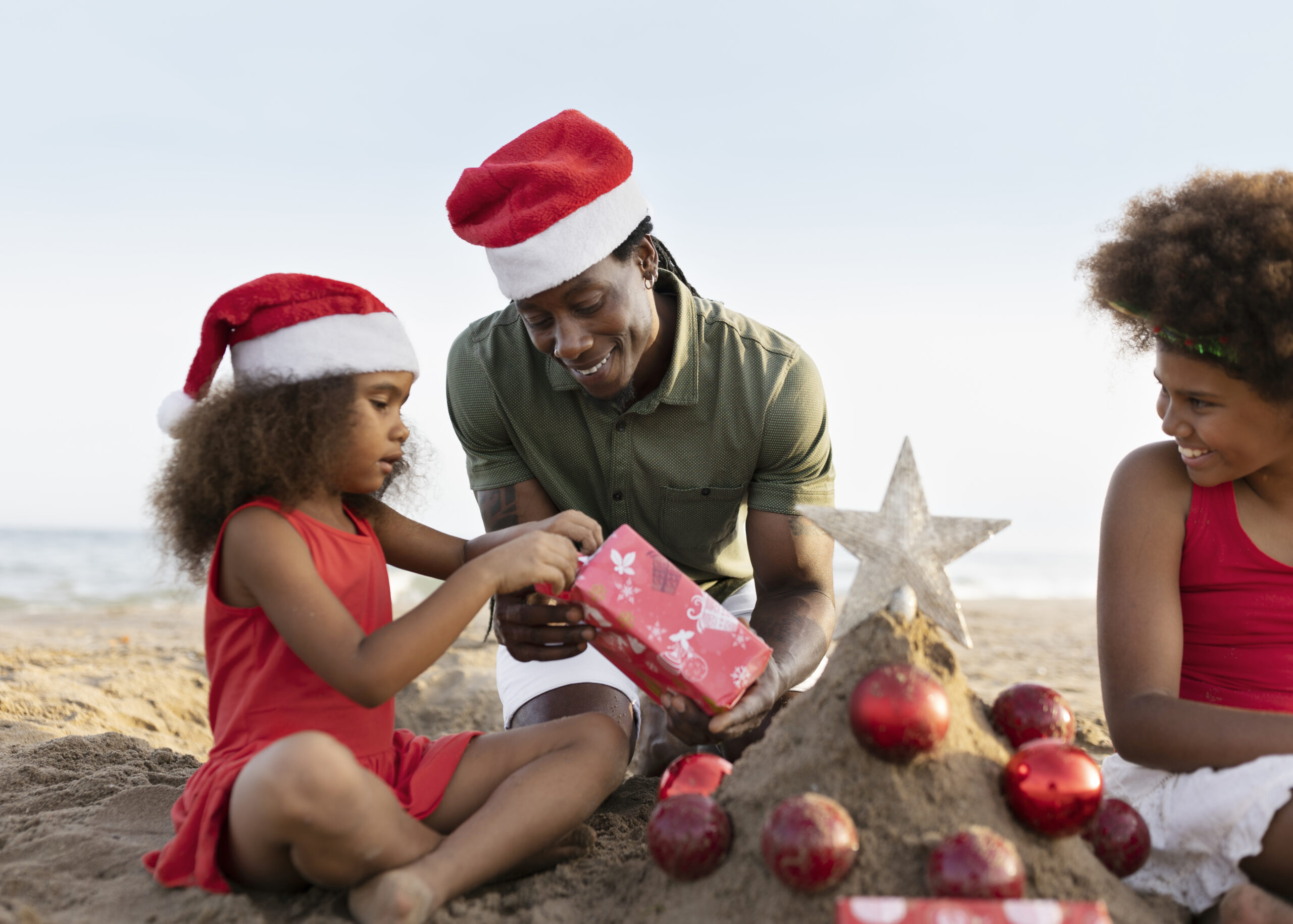
Children deserve a holiday that protects their safety, nurtures their wellbeing and affirms their value at home and in the community.