


Is your business name really yours? URSB raises alarm
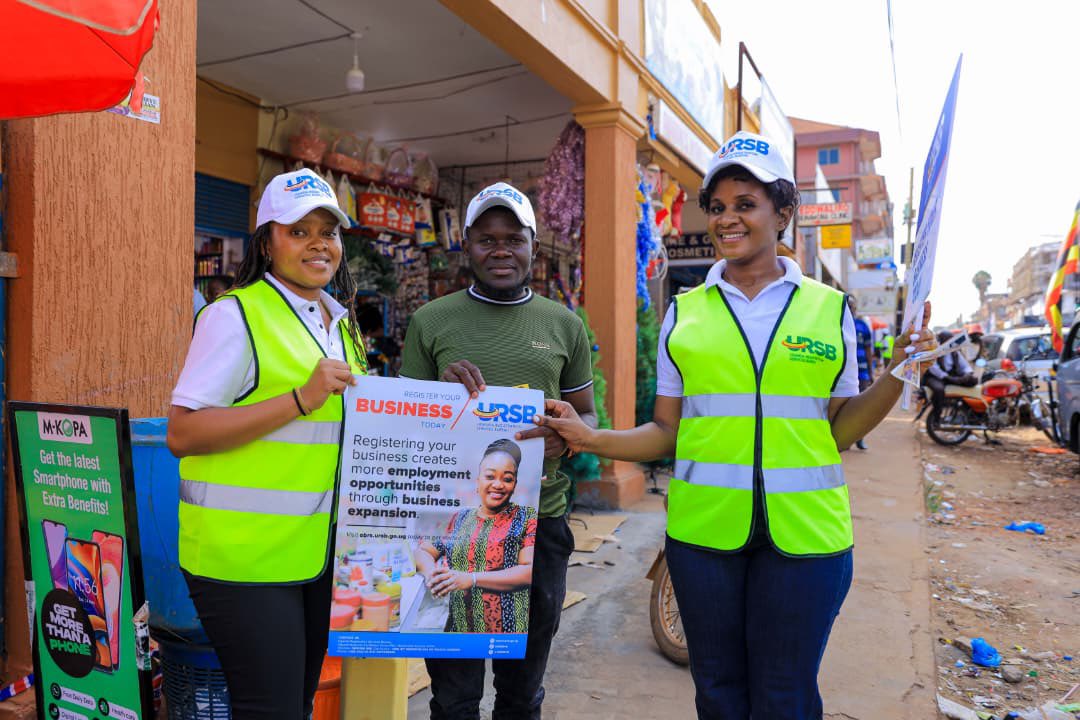
A new campaign by the Uganda Registration Services Bureau is drawing attention to a widespread gap in Uganda’s informal economy, where many entrepreneurs operate without legally securing ownership of their business names.
The campaign, titled “Ganyulwa Mu Business,” forms part of URSB’s broader formalisation drive and targets small business owners who assume that using a name in the marketplace automatically grants them rights to it. According to the bureau, that assumption has left many exposed to disputes, forced rebranding, and lost business opportunities.
Across urban centres such as Kampala, informal enterprises ranging from salons to online retailers dominate daily commerce. While these businesses generate income and employment, their lack of registration often limits their ability to access formal financial services, enter contracts, or defend their brand identity.
URSB says disputes over business names are a recurring issue, particularly when an unregistered enterprise builds a customer base around a name that is later claimed by a registered entity. In such cases, authorities typically rely on formal registration records, leaving informal operators with little legal standing.
Walid Kule, Assistant Commissioner for Registration Services at URSB, said many entrepreneurs are unknowingly building vulnerable businesses. He noted that once a business begins serving customers, it effectively creates a brand that requires legal protection.
The campaign also seeks to clarify a common misunderstanding between business registration and trademark protection. While registration gives a business legal recognition, it does not prevent others from using similar names or branding. Trademark registration, handled separately, is required to secure exclusive rights to brand elements such as logos and slogans.
Legal analysts say this distinction is often overlooked, exposing even registered businesses to brand disputes if trademarks are not secured.
Early response to the campaign suggests strong interest among entrepreneurs. URSB reports a surge in inquiries following the campaign launch, particularly from business owners seeking clarity on the difference between registration and trademarking.
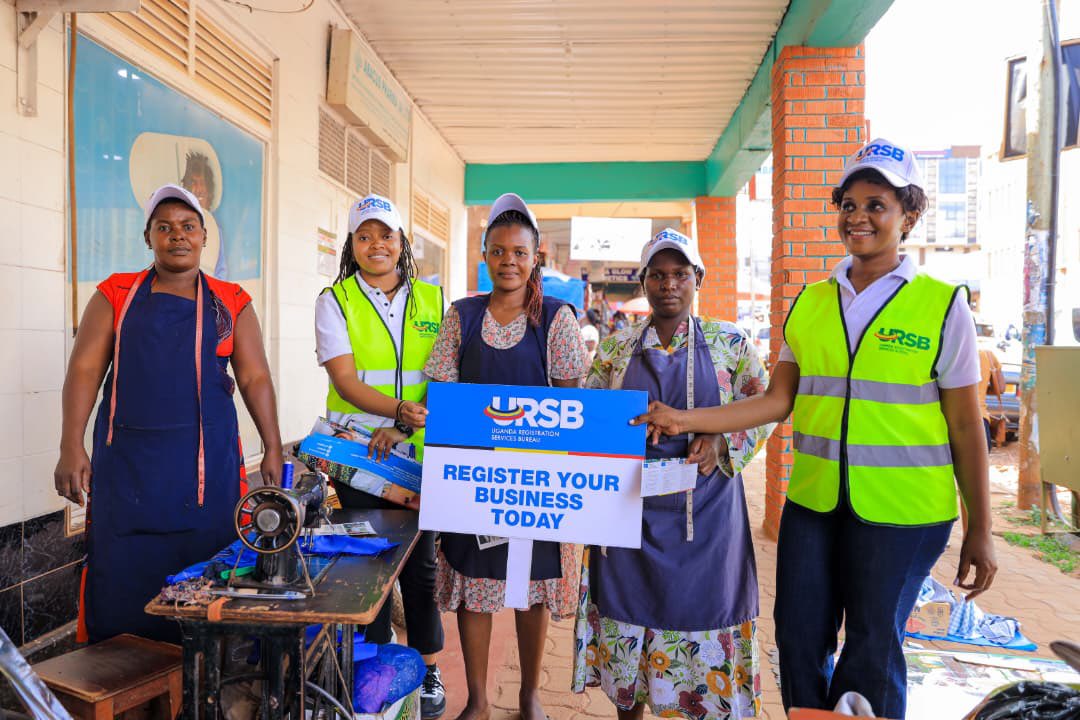
The bureau estimates that more than 535,000 previously informal businesses have been registered since the start of its formalisation efforts. Outreach activities have included registration clinics in areas such as Luzira, Kireka, Banda, and regional centres like Mbale and Soroti.
Despite progress, the scale of Uganda’s informal sector remains significant. Analysts note that while registration costs are relatively low, barriers such as limited awareness, perceived complexity, and cost sensitivity continue to slow adoption.
For many businesses, formalisation offers clear advantages, including access to credit, eligibility for public procurement, and the ability to enter enforceable contracts. However, URSB officials stress that registration alone is not sufficient to secure brand ownership.
The campaign’s central message is that legal recognition, not market presence, determines ownership. For entrepreneurs operating without registration or trademark protection, the risk is not just administrative but commercial.

- Lucid News Africahttps://lucidnews.news/author/mitala/
- Lucid News Africahttps://lucidnews.news/author/mitala/
- Lucid News Africahttps://lucidnews.news/author/mitala/
- Lucid News Africahttps://lucidnews.news/author/mitala/