
Inflation cools to 2.9% as Uganda’s economy hits fast lane
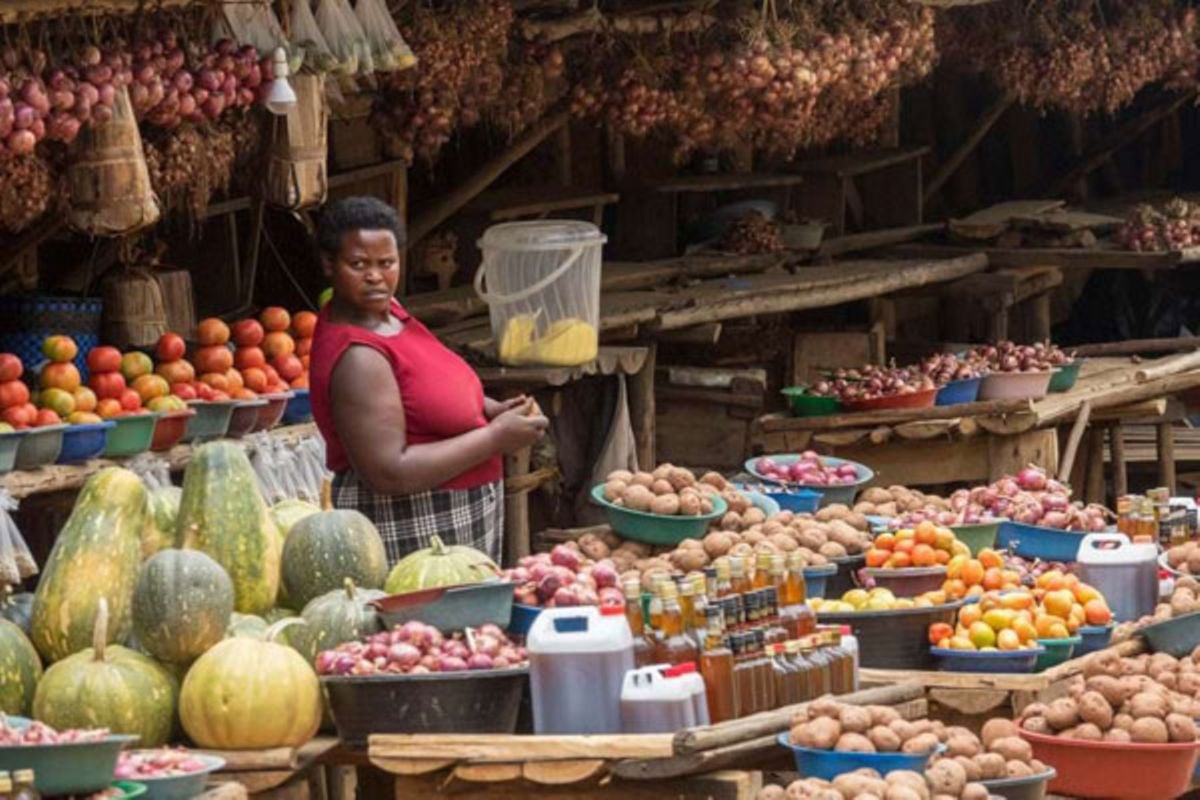
Photo: Daily Monitor
Uganda’s economy is gaining impressive momentum, with fresh data from the Uganda Bureau of Statistics painting a picture of strong growth, rising exports, and renewed business confidence tempered by emerging fiscal pressures.
Economy accelerates to 8.5% growth
Preliminary estimates show that Uganda’s economy expanded by 8.5% in the second quarter of FY 2025/26, a sharp rise from 5.4% recorded in the same period last year. This surge underscores a broad-based recovery driven by increased aggregate demand and rising investments, particularly in ICT equipment, buildings, and industrial machinery.
Sector performance reveals the depth of this growth. The industry sector led the charge with a 12.3% expansion, while agriculture, forestry, and fishing grew by 8.8%. The services sector, which had previously lagged, rebounded strongly to 6.2%, signaling improved activity across trade, finance, and other service industries.
Trade surplus marks historic turnaround
In a major shift, Uganda recorded a merchandise trade surplus of USD 147.26 million in January 2026, reversing both a monthly and annual deficit. This turnaround was largely fueled by a surge in export earnings, which rose by 72.1% year-on-year.
Gold exports dominated, jumping by over 180% to nearly USD 914 million, while coffee exports also posted strong gains. Together, these commodities accounted for more than 70% of export revenues, highlighting Uganda’s growing strength in key export sectors. The country also strengthened its position within the East African Community, posting a regional trade surplus.
Inflation falls, supporting consumers
Inflation continues to ease, with annual headline inflation declining to 2.9% in February 2026, down from 3.2% in January. The drop reflects slower increases in service costs, particularly international air travel and healthcare, as well as improved food supply during the harvest season.
Lower prices for staples such as beans, matooke, and vegetables have provided relief to households. However, rising fuel and energy costs remain a concern, driven by higher transport and logistics expenses.
Business confidence remains strong
High-frequency indicators point to sustained optimism in the private sector. The Purchasing Managers’ Index (PMI) remained above the 50-mark threshold, signaling expansion in business activity, increased output, and job creation. Similarly, the Business Tendency Index (BTI) indicates strong confidence across agriculture, manufacturing, and financial services.
This positive sentiment suggests that firms expect continued growth in the months ahead, supported by stable macroeconomic conditions.
Central bank holds steady amid growth
The Bank of Uganda maintained the Central Bank Rate at 9.75% for the seventeenth consecutive month, reflecting a cautious approach to balancing growth and inflation. Policymakers view the current stance as appropriate to sustain economic expansion while keeping inflation within the medium-term target of 5%.
Meanwhile, the Uganda shilling remained relatively stable, depreciating only marginally against the US dollar.
Fiscal pressures emerge
Despite the positive outlook, fiscal challenges are beginning to surface. Government operations recorded a larger-than-expected deficit in February 2026, driven by increased spending on infrastructure projects and payments toward new aircraft acquisitions for national carrier Uganda Airlines.
Revenue collection also fell short of targets, particularly in non-tax revenue and external grants, raising concerns about budget sustainability.
Outlook: Strong but cautious optimism
Uganda’s economic trajectory points to a period of robust growth, supported by rising exports, strong domestic demand, and improving business conditions. However, maintaining this momentum will require careful management of fiscal pressures and continued investment in productive sectors.
For now, the balance of evidence suggests that Uganda is entering a phase of accelerated economic expansion, one that could reshape its position in the regional and global economy if sustained.