

Funding gaps push West Nile and Karamoja schools to breaking point
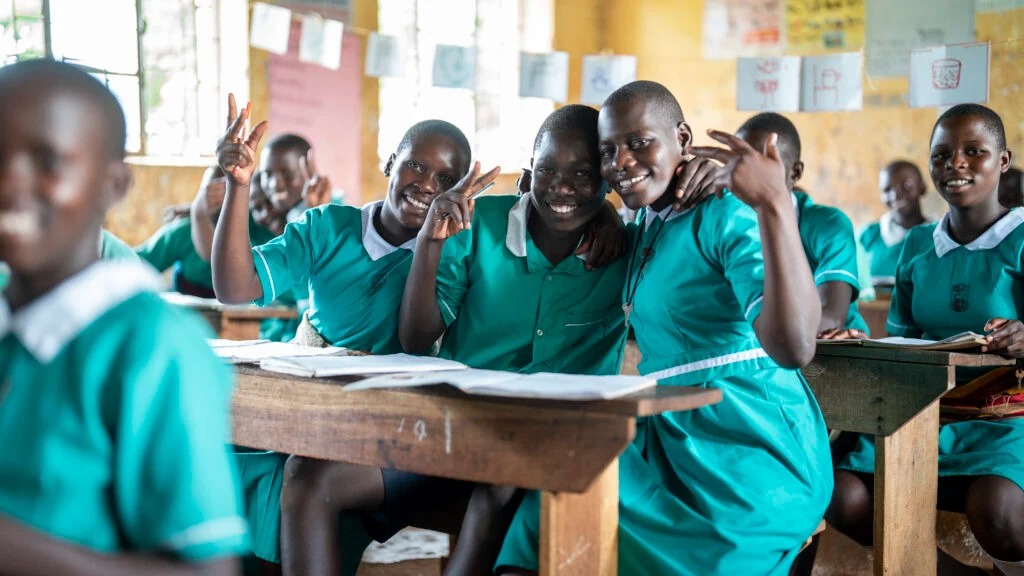
Photo: Courtesy
A new study by civil society organizations has revealed deepening disparities in primary education financing and outcomes in Uganda’s West Nile and Karamoja sub regions. The report highlights chronic underfunding, overcrowded classrooms, teacher shortages, and extremely low completion and transition rates that continue to undermine learning outcomes in some of the country’s poorest communities.
Overcrowded classrooms remain a defining challenge. Karamoja records a staggering pupil to teacher ratio of 108 learners per teacher, while West Nile stands at 85. Both figures are far above the national standard of 53 pupils per teacher. Refugee hosting districts such as Yumbe and Terego are among the most overwhelmed, with enrolment rising quickly due to the presence of more than a million refugees.
Despite enrolment growth, government financing has not kept pace with the needs on the ground. The capitation grant for primary learners has remained at 17,000 shillings per pupil per year, far below the recommended 59,000 shillings for rural schools and 63,000 shillings for urban schools. This shortfall has left schools struggling to purchase learning materials, support teacher supervision, and maintain basic infrastructure. In Karamoja, some districts received only 84 percent of their approved education budgets in the last financial year.
Education outcomes reflect the resource gap. Karamoja’s primary completion rate stands at only 18 percent, and transition to secondary school is 12 percent. West Nile performs slightly better, with a completion rate of 38 percent and a transition rate of 29 percent, but both remain well below national averages. Dropout rates are alarming. Karamoja records a dropout rate of 52 percent driven by poverty, food insecurity, child labor, early marriages, long distances to school, and insecurity caused by cattle raids. In West Nile, dropout stands at 37 percent, worsened by overcrowding, refugee pressure, and limited learning materials.
Teacher availability presents another major hurdle. Only 70 percent of teachers in Karamoja and 84 percent in West Nile are on the government payroll compared to a national average of 95 percent. Teacher absenteeism is widespread, with estimates of 30 percent in Karamoja and 24 percent in West Nile. Some schools operate with pupil to classroom ratios exceeding 170 learners, making effective teaching nearly impossible.
Infrastructure challenges further hinder learning. In Karamoja, only 18 percent of schools have electricity. In West Nile, only a third of schools have power access. Teacher accommodation is limited and contributes to low staff retention. Many schools lack clean water, separate changing rooms for girls, and adequate sanitation facilities. Field visits documented schools in Madi Okollo with cracked walls, leaking roofs, and missing windows, conditions that compromise both safety and learning.
The refugee influx continues to place heavy pressure on West Nile’s education system. In Yumbe and Terego, half to 60 percent of learners in public schools are refugees. Settlements such as Bidibidi host more than 100,000 school age children. Although development partners have constructed some classrooms and sanitation facilities, the scale of need remains far greater than the support available.
The report urges government and partners to increase the capitation grant to recommended levels, recruit more teachers, offer hardship allowances for remote duty stations, expand classroom construction, improve teacher housing, ensure timely budget releases, strengthen community interventions to reduce early marriage and teenage pregnancy, and invest in water, sanitation, power access, and essential learning materials.
The findings paint a stark picture of widening inequity in Uganda’s education system. Without urgent and targeted investment, thousands of children in West Nile and Karamoja risk falling even further behind. Strengthening financing, improving infrastructure, and addressing the social and economic barriers to learning are essential if Uganda is to deliver equitable and quality primary education for all.