

EACOP trains 141 youth for East Africa’s oil future

Some of the students who have graduated from the EACOP Academy
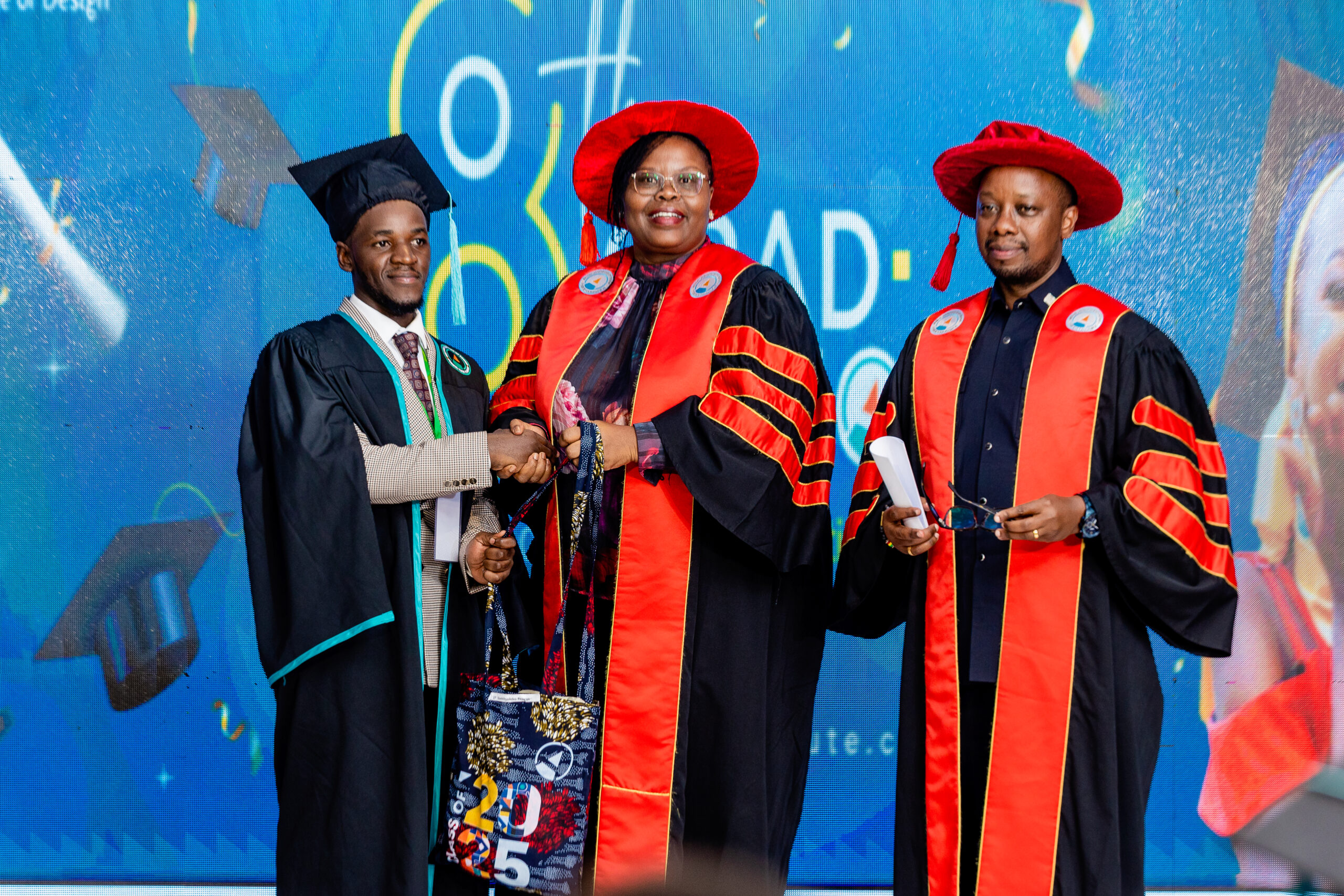
Kigumba, Uganda – The East African Crude Oil Pipeline (EACOP) Ltd, in partnership with the Uganda Petroleum Institute Kigumba (UPIK), has marked the graduation of 141 students from the EACOP Academy, a vocational training initiative aimed at building technical capacity for the region’s emerging oil and gas sector.
The graduates received hands-on training in Mechanical, Electrical, Production, Instrumentation, Leadership, and Health, Safety and Environment (HSE) disciplines. According to EACOP, the program is part of a broader effort to enhance national content and ensure local participation in the pipeline project linking Uganda’s oil fields to Tanzania’s Tanga Port.
About a quarter of the graduates were women, while 80 percent came from communities along the 1,443-kilometre pipeline route, reflecting an emphasis on inclusion and community benefit.
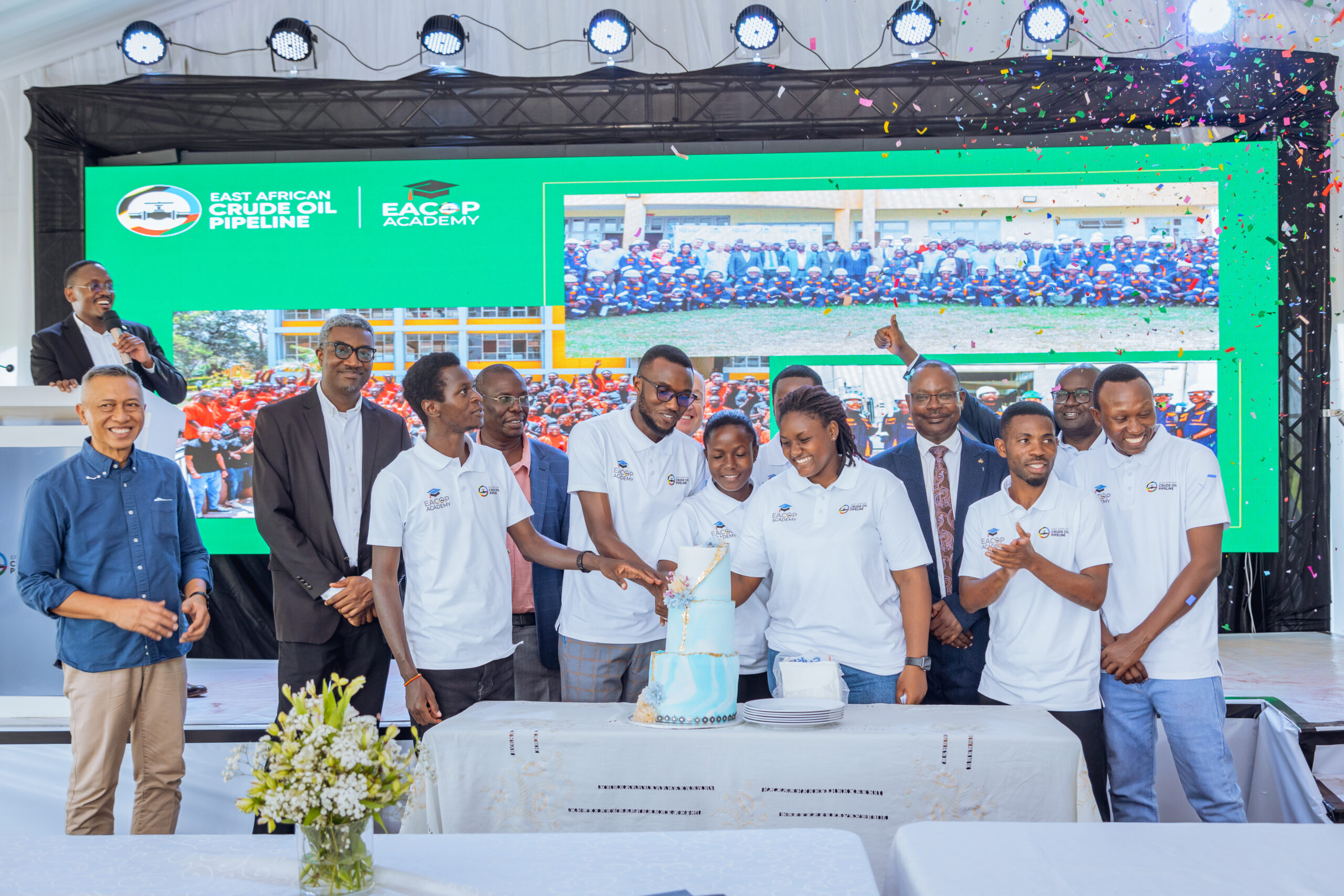
Launched in August 2024, the EACOP Academy builds on the company’s Massive Open Online Course (MOOC), which drew over 23,000 participants and resulted in 12,000 completions. From that pool, 141 trainees, including 110 from Tanzania and 31 from Uganda, were selected for intensive, in-person training at UPIK.
At the graduation ceremony in Kigumba, EACOP Deputy Managing Director JB Habumugisha congratulated the students, describing them as “a community of professionals ready to take responsibility for one of the most ambitious energy projects on the continent.”
“These graduates will play a crucial role in operating and maintaining the pipeline,” Habumugisha said. “We are confident in their ability to uphold the highest industry standards.”
He added that the academy’s mission goes beyond technical training, aiming to instill leadership, accountability, and ethics in the region’s future energy workforce.
UPIK Director Bernard Ongodia praised the collaboration with EACOP, saying it had strengthened the institute’s training capacity and transformed students’ lives and career aspirations.
The ceremony drew officials from the Ministry of Energy and Mineral Development, the Petroleum Authority of Uganda, EACOP’s senior leadership, and members of UPIK’s faculty.
One of the graduates, Emmanuel, from the Instrumentation and Electrical team, shared his experience visiting the Karuma Hydroelectric Power Plant, which produces 600 megawatts for Uganda’s national grid. He said the field trip gave students practical exposure to large-scale industrial operations.
“We saw how mechanical, electrical, and instrumentation teams work together,” Emmanuel said. “It showed us what teamwork can achieve, and we want to apply the same discipline when we work on the pipeline.”
The EACOP project, valued at about 5 billion US dollars, remains one of East Africa’s most significant energy infrastructure undertakings. It has faced both technical and environmental scrutiny, but the company maintains that developing local skills and employment is key to its long-term sustainability.
For many of the graduates, the ceremony marked not just the end of a training program but the beginning of potential careers in an industry set to reshape Uganda and Tanzania’s energy landscape.
“You are dreaming, but you are awake,” Habumugisha told the graduates. “These are moments you will remember for life.”