

Behind K-Pop, religious freedom concerns emerge in South Korea
 South Korea, widely celebrated for its global cultural influence through K-Pop, film, and television, is facing increasing scrutiny over allegations that government actions may be undermining religious freedom.
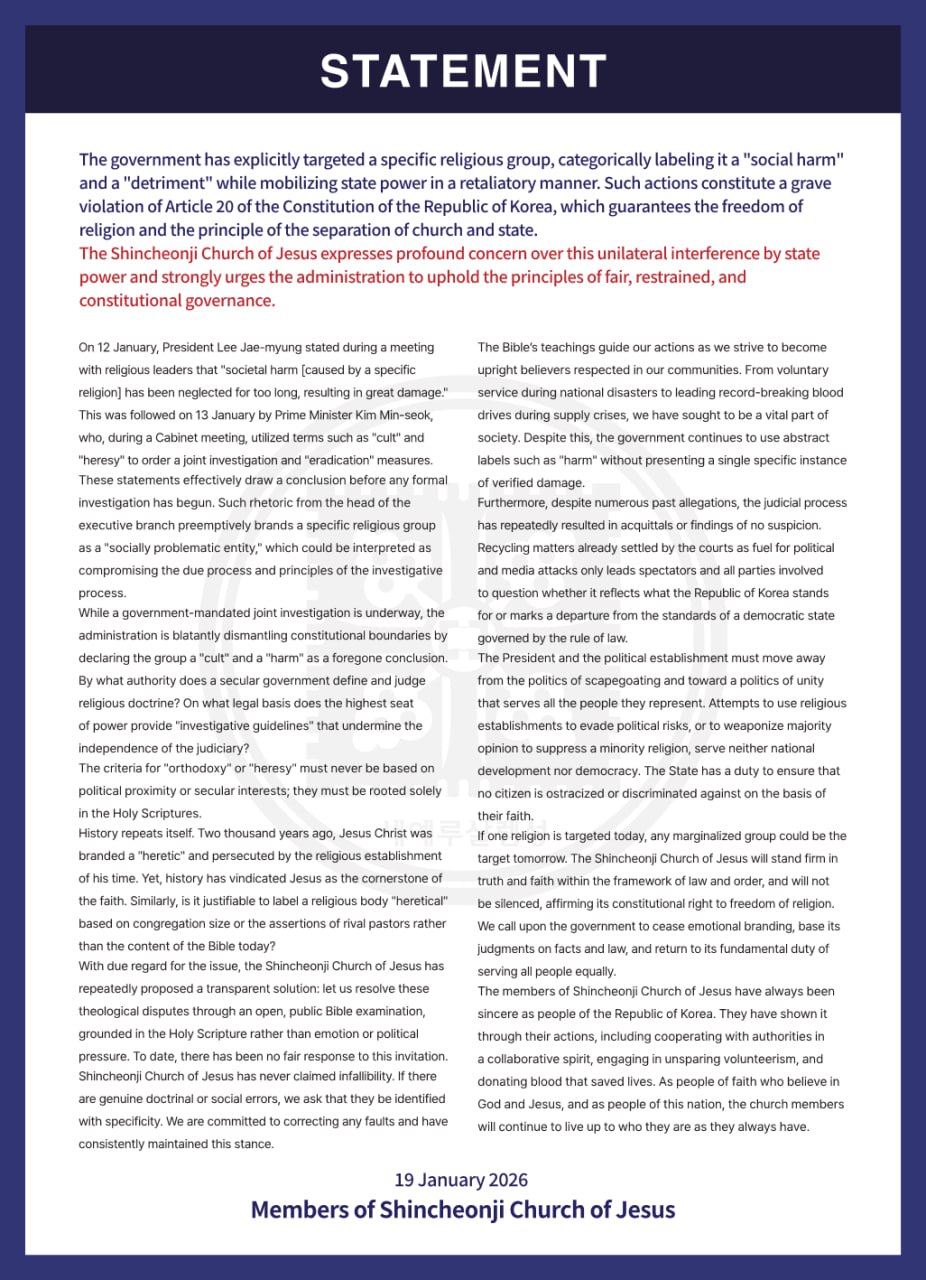
Domestic civic groups and international observers have raised concerns following public remarks by senior South Korean officials that named a specific religious organization and called for intensive investigations into its activities. Critics argue that the language used by political leaders has stigmatized the group and risks violating constitutional protections for freedom of religion.
The controversy centers on actions taken by the current administration, which came to power after a period of political upheaval marked by impeachment proceedings against its predecessor. Since then, repeated investigations into the religious movement Shincheonji have drawn criticism from human rights advocates, who question whether the measures comply with international human rights standards.
Some observers point to statements by both the president and prime minister that allegedly framed the group as a social threat, language that advocacy organizations say could legitimize discrimination. Legal experts have warned that such rhetoric, when combined with executive pressure on law enforcement and regulatory agencies, may blur the line between public health, governance, and religious freedom.
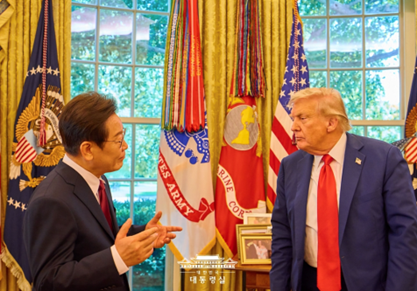
International attention has also intensified. Former U.S. President Donald Trump reportedly described the situation as “a very bad thing,” according to media commentary cited by observers, adding to concerns expressed by foreign analysts about democratic norms in one of Asia’s most prominent democracies.
Human rights organizations argue that repeated investigations targeting a single religious group raise questions about equality before the law. They emphasize that international covenants, including those to which South Korea is a signatory, protect freedom of belief and prohibit discrimination based on religion.
The South Korean government has defended its actions as lawful and necessary, citing public interest considerations and national welfare. Officials have maintained that investigations are conducted within the bounds of the law and are not intended to restrict religious practice.
Nevertheless, the debate has sparked broader discussions about democratic governance, minority rights, and the role of political leadership in shaping public attitudes. Analysts note the contrast between South Korea’s carefully cultivated global image as an open and modern society and the growing concerns voiced by international watchdogs.
As scrutiny continues, legal scholars and civil society groups are calling for transparency, restraint in political language, and adherence to constitutional principles to ensure that South Korea’s democratic credentials remain intact.