


Agriculture drives Uganda’s export boom with record earnings in 2025
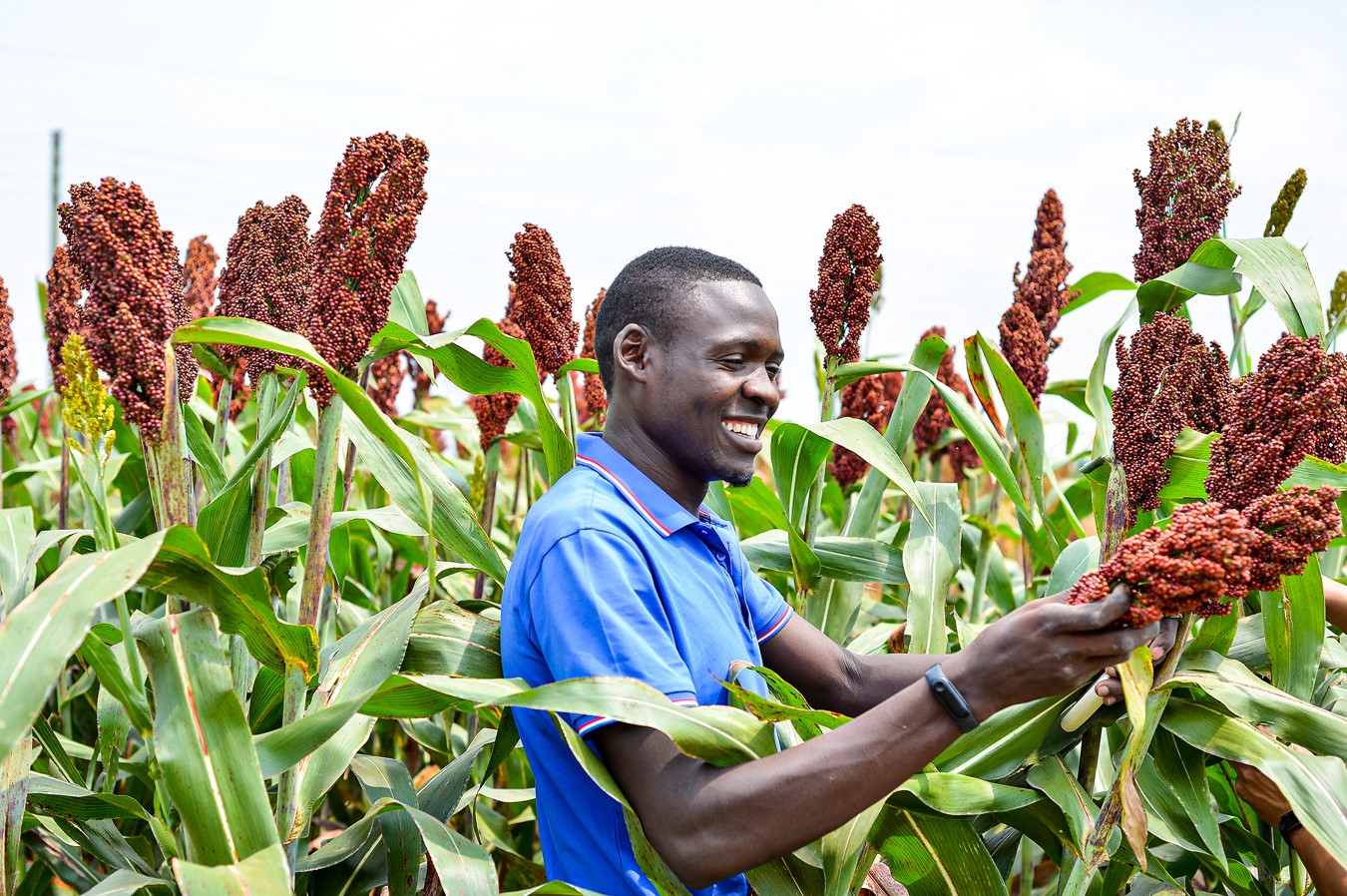
Photo: Food and Agriculture Organization of the United Nations
Uganda has begun 2026 with strong momentum in its agriculture sector, posting record export earnings, expanded irrigation coverage and scaled-up disease control as part of a broader push to raise productivity, household incomes and agro-industrial growth.
New figures released by the Ministry of Agriculture, Animal Industry and Fisheries show agricultural exports rising sharply to USD 4.175 billion in FY 2024/25, up from USD 1.661 billion in FY 2020/21, accounting for nearly 39 percent of total merchandise exports. The sector contributed 26.1 percent of GDP in FY 2024/25 and grew by 6.6 percent, reinforcing agriculture’s central role in the national economy.
Roughly 70 percent of Ugandan households, about 7.12 million, remain engaged in agriculture, underscoring the sector’s importance to employment, food security and income generation.
Government officials say recent gains reflect sustained investment in productivity-enhancing inputs, including research and extension services, improved genetics, mechanisation, irrigation, pest and disease control, post-harvest handling and market access.
Coffee and cocoa drive export growth
Coffee remained Uganda’s leading agricultural export, delivering a record USD 2.2 billion in export earnings in FY 2024/25 from 8.2 million bags, the strongest performance on record. Production rose to 9.3 million bags, supported by large-scale seedling distribution, replacement of unproductive trees and the rollout of coffee wilt disease-resistant varieties.
Cocoa emerged as the second-largest agricultural export, with export value rising nearly nine-fold over the past decade to USD 620.43 million. Production increased significantly in FY 2024/25, reflecting growing investment in the crop’s value chain.
Dairy, fisheries and oil palm expand
Milk production nearly doubled over four years to 5.3 billion litres, while dairy export earnings tripled to USD 280 million, supported by expanded processing capacity, improved breeds and skills development across the value chain.
In fisheries, production increased to 728,369 tonnes, with beach value rising to UGX 2.2 trillion, sustaining livelihoods for more than a million Ugandans directly employed in the sector.
Oil palm cultivation expanded to 16,800 hectares under public-private partnerships, producing about 41,000 metric tonnes of crude palm oil annually, reducing imports and providing stable monthly incomes for participating farmers.
Mechanisation, irrigation and disease control scaled up
The government significantly expanded mechanisation, distributing more than 1,080 four-wheel tractors and 1,350 power tillers, alongside training for operators and technicians. Subsidised tractor hire and heavy equipment services have lowered land preparation costs for farmers.
Irrigation infrastructure also expanded, with completed large-scale schemes adding 3,576 hectares under formal irrigation, alongside hundreds of valley tanks, dams and solar-powered irrigation systems to improve water access and climate resilience.
In livestock health, Uganda made its largest-ever investment in disease control, procuring 53.6 million doses of foot-and-mouth disease vaccine ahead of a nationwide biannual vaccination programme starting in 2026. Cold-chain infrastructure has been expanded nationwide, and local vaccine manufacturing capacity is being developed to reduce losses estimated at USD 1.1 billion annually from tick-borne diseases.
The future
The government says the next phase, covering 2026 to 2031, will focus on deeper agro-industrialisation, reduced post-harvest losses, expanded irrigation, improved access to fertiliser and finance, stronger standards enforcement and wider market access. Plans include establishing a National Marketing Company, strengthening export certification systems and expanding mechanisation and cold-chain infrastructure.
Officials say the strategy aims to transform agriculture from subsistence production into a competitive, value-driven sector capable of supporting Uganda’s transition toward middle-income status while delivering inclusive growth across rural communities.