

Africa’s water crisis demands urgent systems reform, says NWSC’s Silver Mugisha at AfWASA summit
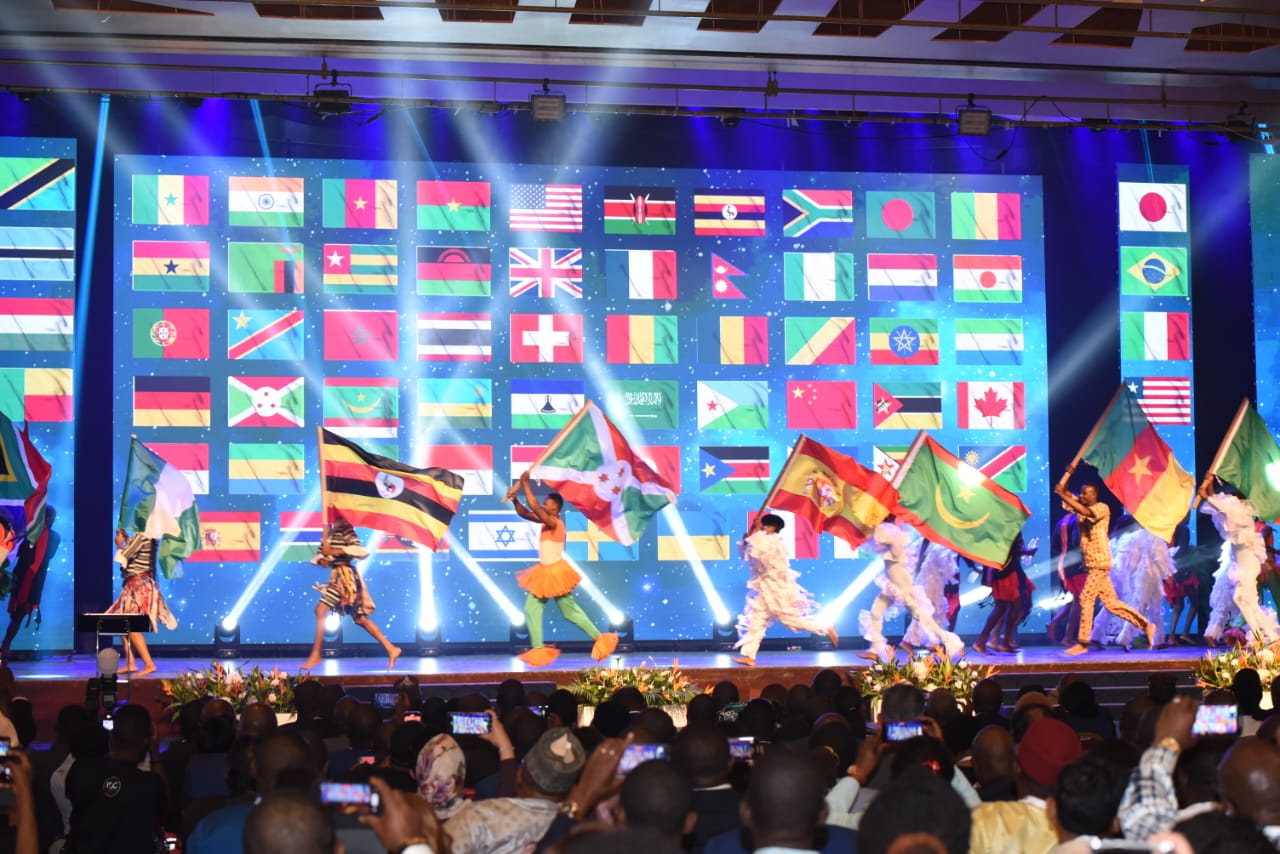
YAOUNDE, Cameroon — Africa’s water and sanitation crisis can no longer be treated as a purely engineering challenge but requires decisive leadership anchored in a systems approach that integrates governance, finance, climate resilience and social equity, according to Dr. Eng. Silver Mugisha, Managing Director of the National Water and Sewerage Corporation (NWSC).
Dr. Mugisha delivered the keynote address at the 23rd African Water and Sanitation Association (AfWASA) International Congress and Exhibition in Yaounde, urging African utilities to fundamentally rethink how water services are planned, financed and delivered.
Shift from infrastructure to integrated systems
Addressing more than 2,500 global stakeholders, Dr. Mugisha emphasized that high-performing utilities must move beyond infrastructure development and adopt holistic management models.
Water and sanitation management, he said, must be treated as an interconnected web of financial, environmental and technical elements rather than isolated infrastructure projects.
He stressed that success depends on aligning technical operations with institutional governance, financial sustainability and environmental stewardship. Utilities, he argued, must transition from traditional engineering-focused institutions to customer-centric service providers supported by strong policy, legislation, regulation and behavioral change frameworks.
NWSC’s transformation as evidence
Dr. Mugisha cited NWSC’s growth over the past decade as proof that a systems approach delivers measurable results.
Since 2013, NWSC has expanded from 23 towns to 282, increasing the population served from 4.5 million to more than 22.7 million people. Annual turnover rose from 121 billion Ugandan shillings to 649 billion shillings during the same period.
By 2030, the utility plans to serve 350 towns and 26 million people, with its asset base projected to reach 6.2 trillion shillings.
Technical capacity has grown significantly. Water production increased from 294,600 cubic meters per day in 2013 to 791,000 cubic meters per day in 2025. The pipe network expanded from 3,523 miles to 14,778 miles, reflecting sustained infrastructure investment.
Accountability and financial strength
Dr. Mugisha attributed the corporation’s progress to incentive-based internal contracts tied to clear key performance indicators at corporate, area and individual levels.
These internal agreements, he noted, ensure accountability and performance improvement. Financial autonomy, revenue enhancement and consistent tariff indexation have also strengthened the utility’s financial position.
NWSC’s asset base has grown to 4.7 trillion shillings, with a target of 6.2 trillion shillings by 2030.
Digital Innovation and Research
Digital transformation has been a critical enabler of growth. Under its smart utility vision, NWSC has introduced homegrown systems that support electronic payments, mobile banking and intelligent data reporting.
A Strategic Research Committee oversees evidence-based decision-making, including ongoing studies on the accuracy of 1,200 water meters aimed at reducing non-revenue water.
People-centered service delivery
Dr. Mugisha underscored staff capacity building as central to performance improvement, emphasizing that innovative solutions often emerge from hands-on experience and a strong understanding of local realities.
He told the congress that engineering builds physical systems, but quality service delivery builds public trust.
Achieving universal access to water and sanitation in Africa, he said, requires deliberate investment decisions that prioritize equity, particularly in informal settlements, alongside climate stewardship.
Continental collaboration
The 23rd AfWASA Congress, hosted in Yaounde with support from Cameroonian authorities, provided a platform for knowledge exchange, innovation and partnership-building across the water sector. The 2026 edition is themed “Action and Collective Effort” to advance sustainable water and sanitation services.
Hosted by CAMWATER with support from the World Bank, the event featured scientific sessions on water security, utility performance and sanitation solutions, alongside a major exhibition showcasing technical innovations.
About Dr. Eng. Silver Mugisha
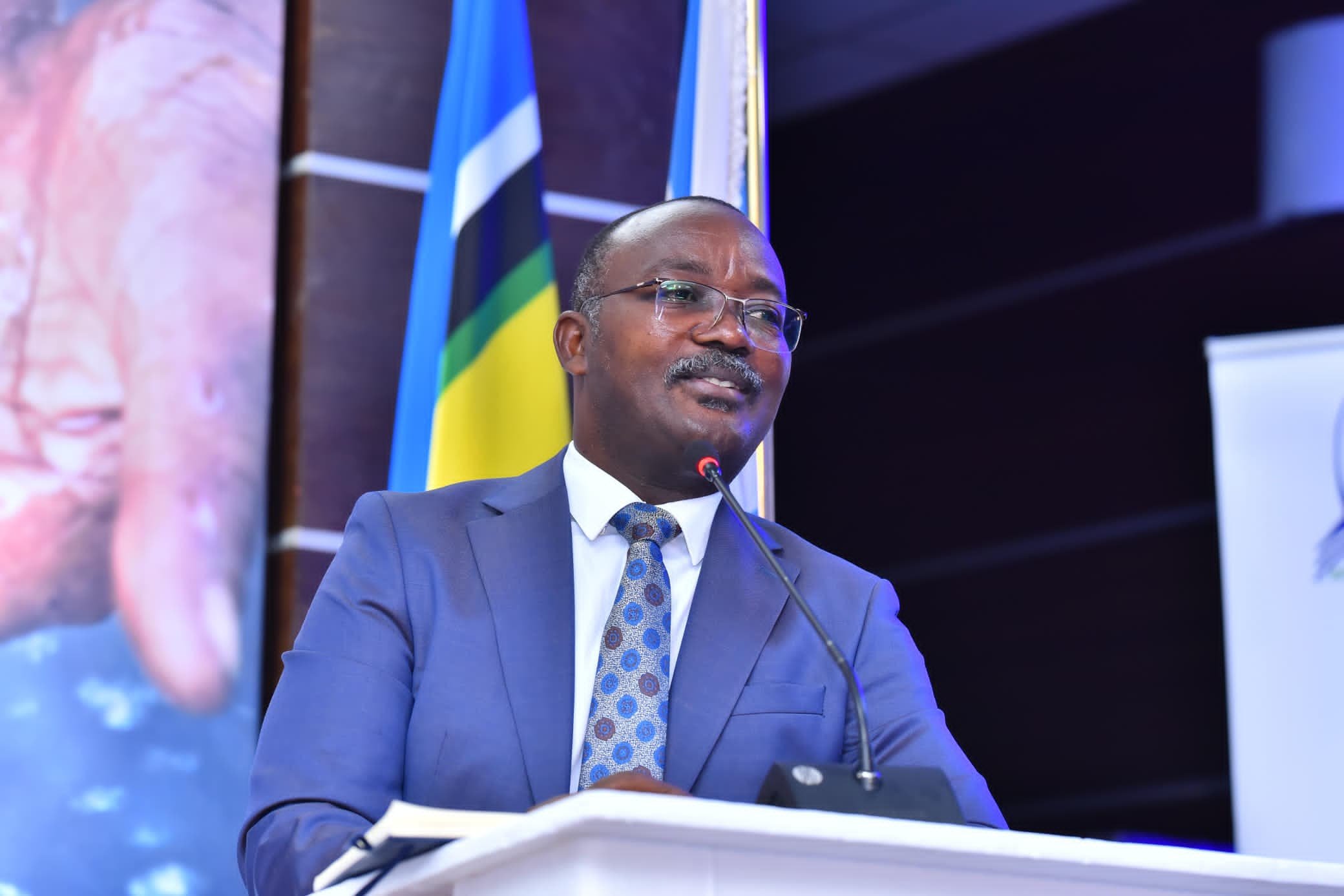
Dr. Mugisha brings more than 30 years of leadership experience in organizational transformation and executive management. He has supported performance improvement initiatives across Uganda, Kenya, Tanzania, Zambia, Nigeria, Ethiopia, Rwanda, India and Trinidad and Tobago.
A former Board Member and Vice President of the International Water Association, he currently serves as President Emeritus of AfWASA from 2020 to 2025. He has also held leadership roles in several Ugandan institutions and boards.
A Fellow of the International Water Association and the Sense Research School of the Netherlands, Dr. Mugisha has authored more than 50 peer-reviewed papers, two books and several book chapters. He remains a strong advocate for service delivery excellence, knowledge advancement and professional development in Africa’s water sector.