

Back to school, back to comparison: Protecting children from the silent competition of a new term
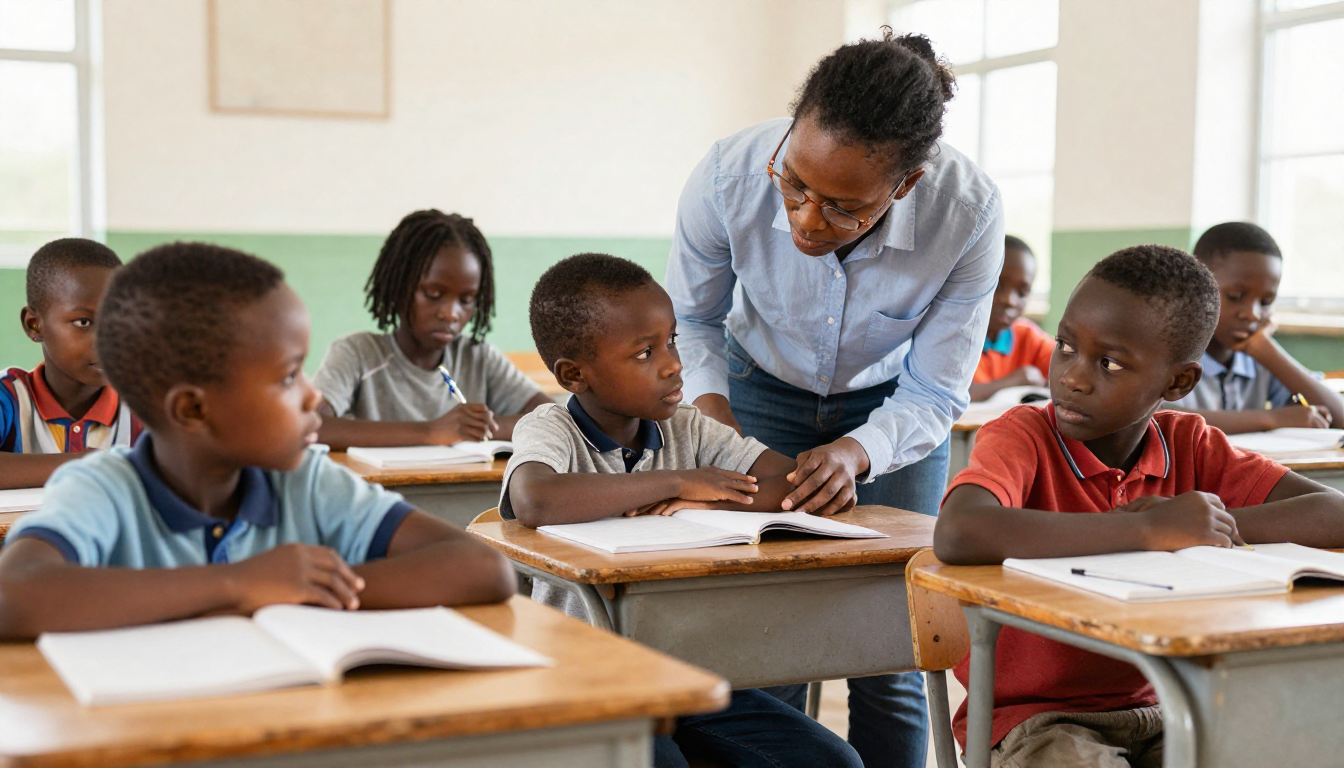
Photo: Courtesy
When schools reopen, something else quietly returns with children to the classroom. It does not appear on timetables or school circulars, yet it shapes how children see themselves, how they participate in lessons, and how confident they feel in the weeks ahead.
It is comparison.
As primary schools resume following the release of PLE results, thousands of children return carrying more than books and holiday stories. They carry scores, expectations, whispered opinions, and unspoken rankings. Even those who did not sit national exams absorb the atmosphere. They listen carefully to how adults talk about performance, which schools “did well,” and which pupils “excelled.” Long before the first test of the term, many children have already measured themselves against someone else.
The silent competition
The first days of a new term are filled with reunions. Children talk about where they travelled, what they received for Christmas, who transferred to a “better” school, and who now wears a new uniform. Parents exchange pleasantries at reporting day, sometimes laced with subtle pride or quiet anxiety. Teachers resume lessons, often unaware that an invisible emotional contest has already begun among learners.
Comparison rarely announces itself loudly. It creeps in through casual remarks and innocent questions. Who is in the “top” stream this year? Who moved to a bigger school? Whose parents cleared fees early? Who seems more confident, more prepared, more praised?
For some children, the new term begins not with curiosity about learning, but with an unspoken ranking of self-worth. A child who feels “behind” may disengage before the first assignment is marked. Another who feels pressure to remain “on top” may study anxiously, driven by fear rather than discovery.
Why children are especially vulnerable
Children are still forming their identity. They rely on cues from adults, peers, and institutions to understand their value. When achievement, appearance, or background becomes the dominant measure of worth, children quickly learn to define themselves in relation to others rather than through personal growth.
A child who believes they are less capable may withdraw or act out. A child labelled “brilliant” may develop a fear of failure so strong that they avoid challenges altogether. In both cases, learning becomes emotional and defensive instead of exploratory and joyful.
The first weeks of term are especially powerful because they set the tone for what follows. Early impressions harden into self-belief. A careless label can linger far longer than a report card.
How parents unknowingly fuel comparison
Many parents contribute to this silent competition without intending to. A comment such as, “Your cousin is doing very well in her school,” or “That child is already reading ahead,” may be meant as encouragement. To a child, however, it can sound like a verdict.
Even praise can become harmful when it is comparative. When children feel valued only when they outperform others, success becomes fragile. They begin to learn for approval rather than understanding. They celebrate victory but fear effort, because effort risks exposing weakness.
Reporting day offers a powerful opportunity to shift this narrative. Instead of focusing solely on grades and class position, parents can ask teachers how their child is adjusting socially and emotionally. They can ask what support structures are available and how to reinforce good habits at home. Such questions signal that school is a partnership in growth, not a performance arena.
School practices that reinforce ranking
Schools, too, can unintentionally entrench comparison. Public ranking, constant emphasis on class position, and early labelling of learners as “weak” or “strong” create impressions that are difficult to undo. In some schools, streaming by academic performance reinforces hierarchy. Those placed in lower streams may internalise a sense of academic inferiority, while those in top streams may feel constant pressure to defend their status.
Once a child believes they belong at the bottom, effort can feel pointless. Once another believes they must always remain at the top, fear quietly replaces joy.
This does not mean schools should abandon standards or accountability. Rather, it calls for a shift in emphasis; from ranking to growth, from competition to competence, from comparison to character development.
Teachers play a crucial role in shaping classroom culture. Emphasising belonging, collaboration, and improvement over time helps children feel safe enough to engage. Group learning, recognition of diverse strengths, and avoiding premature academic labels can transform the emotional climate of a class. Children learn best when they feel seen and valued, not measured against one another.
Beyond the classroom: The digital amplifier
Comparison does not stop at the school gate. In today’s digital environment, even younger learners are exposed to curated success stories and unrealistic standards. Social media amplifies the appearance of constant achievement; better schools, better trips, better lifestyles.
Without guidance, children absorb these messages and quietly measure themselves against edited realities.
Helping children develop emotional awareness and a stable sense of self-worth equips them to resist this pressure. Teaching them that growth looks different for everyone does not lower standards; it builds resilience. It reminds them that progress is personal, not performative.
Growth over ranking
As parents and educators, we must ask ourselves what kind of success we ultimately want for our children. Is it the short-lived triumph of being ahead of others? Or is it the lasting confidence that comes from knowing their strengths, accepting their weaknesses, and steadily improving?
A child whose worth is not tied to comparison is more likely to persevere after setbacks. They are more willing to attempt difficult tasks. They innovate without fear of embarrassment. They contribute meaningfully because they are secure in who they are.
The beginning of a school term is not merely an academic reset; it is an emotional one. If we allow silent competition to dominate, we risk undermining confidence before learning has even begun. But if we intentionally protect children from constant comparison, we create space for healthy growth, curiosity, and character formation.
As the bell rings and classrooms fill once again, let us send children back not to compete for worth, but to discover their potential. Education should help them become better than they were yesterday; not better than the child sitting next to them.