
Why the youth will decide the 2026 elections in Uganda
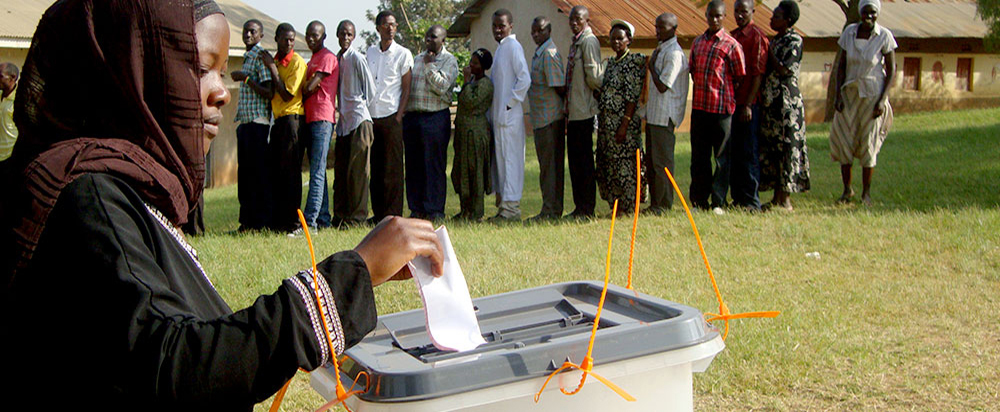
Photo: EC
As Uganda heads toward the 2026 general election, much attention is fixed on parties, personalities, and alliances. Yet the most decisive force will be the youth. In a country where over 75 percent of the population is under the age of 30, the choices, energy, and turnout of young Ugandans will shape not only who wins, but how politics itself is practiced.
Walk through any trading centre, university campus, factory floor, or online forum and the picture is unmistakable. Young people dominate Uganda’s social and economic landscape. This demographic reality gives youth enormous electoral weight. When a majority of eligible voters is young, elections inevitably become referendums on youth priorities such as jobs, education, cost of living, freedoms, and dignity.
But numbers alone do not decide elections. Participation does. And this is where the 2026 contest becomes especially interesting.
Over the last decade, Ugandan youth have grown more politically conscious, vocal, and organized. They debate policy on radio talk shows, mobilize through social media, and increasingly challenge leaders in town halls and community meetings. While engagement levels still vary between urban and rural areas, the overall direction is clear. Youth are no longer passive observers of politics.
Digital platforms have significantly lowered the cost of political participation. A boda boda rider in Mbale, a student in Mbarara, or an entrepreneur in Gulu can now shape national conversations in real time. Political narratives are no longer controlled by a handful of press conferences in Kampala. They are contested daily on mobile phones across the country.
This shift matters because modern elections are fought as much on perception and momentum as on structures. Youth drive both. They generate the slogans that trend, the videos that go viral, and the ground campaigns that energize rallies. A candidate who fails to inspire young people may still speak, but the message will not travel far.
The economic dimension makes youth influence even sharper. For many young Ugandans, 2026 is not an abstract political moment. It is deeply personal. It is about whether they will find work after graduation, whether small businesses can survive high taxes and limited credit, whether agriculture can be profitable, and whether innovation will be rewarded rather than stifled. These are not policy debates. They are lived realities.
At the same time, young voters are less bound by historical loyalties. Unlike older generations shaped by past political struggles, many youths judge leaders by present performance rather than legacy. They ask direct and practical questions. What has changed in my lifetime? What will change in the next five years? This makes the youth vote fluid and unpredictable, posing a serious challenge to complacent politicians.
Of course, youth power is not automatic. It must be activated. Low voter registration, economic frustration, and political disillusionment can blunt even the strongest demographic advantage. Many young people feel unheard, leading some to disengage altogether.
The real question of 2026, then, is not whether youth matter, but whether they will show up in large numbers and with clarity of purpose. If they do, they will force politicians to adapt. They will demand fewer slogans and more solutions, ideas instead of intimidation, and leadership that looks forward rather than backward.
History across the world shows that when young people participate seriously, politics shifts. Uganda will be no exception. The youth vote has the power to legitimize leadership, reshape national priorities, and redraw political maps. It can reward those who listen and punish those who ignore.
As the election season approaches, all eyes should be on the youth, not as a problem to be managed, but as a constituency to be persuaded. The candidates who understand this reality will not merely be contesting an election. They will be engaging Uganda’s future. In 2026, that future will be voting.
The writer is a Researcher, Media and Public Relations Expert.