

Youth call out governance gaps amid Uganda’s carbon market push
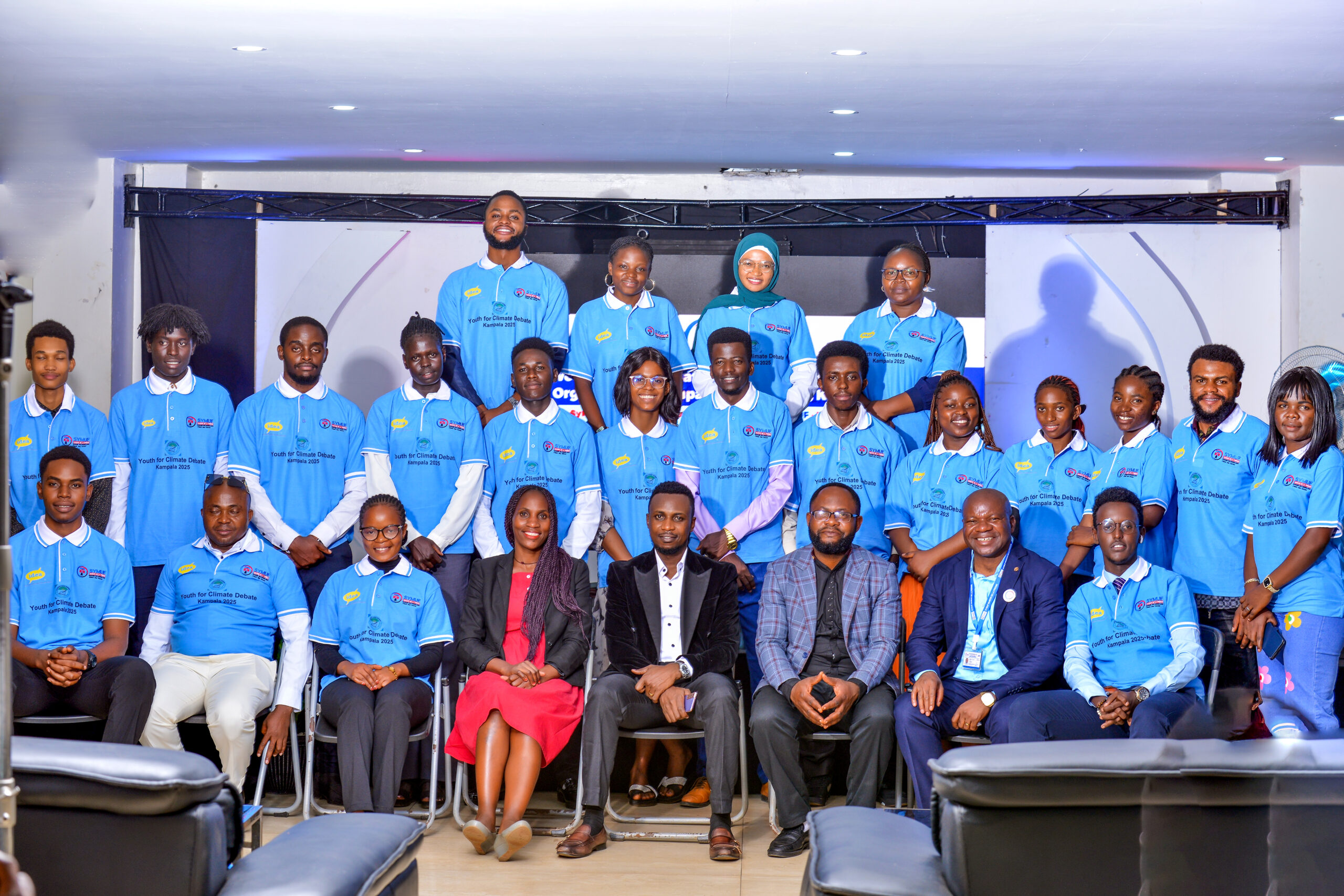
Students from Uganda, Sudan, DRC, South Sudan, Comoros, Somalia, Gabon, Rwanda, and Burundi unite to discuss Climate Change impacts. Congolese journalist Aubert Mwibakeca (SYMUF) and Kampala Adult School staff join the young leaders for a photo. Photo: Lucid News Africa
Kampala, Uganda. A regional youth debate held in Kampala has amplified concerns about the widening gap between the climate responsibilities placed on young people and their limited involvement in national decision making. The gathering, organized by Kampala Adult School with support from SYMUF and IDEA Netherlands, drew students from Uganda, DR Congo, South Sudan, Rwanda, Burundi, Somalia and Comoros. Participants explored the causes and effects of climate change, the policy landscape, and how Africa’s youngest citizens can shape climate responses.
Uganda’s youth population is estimated at more than 78 percent. Many speakers noted that this demographic reality contrasts sharply with the current structure of environmental governance, where young voices are often absent or informal. Students and climate advocates called for direct opportunities to participate in national planning, reporting and monitoring of Uganda’s climate commitments.
Youth demand clearer pathways into climate policy and education
A major theme was access. Young people argued that climate policies remain technically complex, difficult to find in local languages, and not embedded within learning institutions. Several participants recommended translating Nationally Determined Contribution commitments into youth friendly toolkits and introducing climate education across primary, secondary and vocational training.
Speakers also requested a formal national platform where young people can document their restoration work, adaptation projects and community activities. Many participants said their contributions, though visible at local level, rarely appear in national climate reports.
Refugee youth raised additional concerns. Many live in areas facing environmental pressure, yet the climate processes that affect them often exclude their voices. Participants said refugee communities need climate information in accessible languages and equal participation in local adaptation planning.
Innovation and access to climate finance remain uneven
Youth led innovations in waste recycling, clean cooking technologies and agroecology are increasing across the region but are constrained by limited access to technology, finance and skilled mentorship. Participants suggested creating regional innovation hubs focused on renewable energy, circular economy practices and green construction.
The question of finance remained central. Speakers argued that without small grants, seed funding and financial literacy support, most youth climate initiatives will remain small scale. Many called for a dedicated national youth green fund that would allow project groups to register, apply for funding and undergo basic project training.
Uganda’s new carbon market regulations introduce opportunity and uncertainty
Much of the debate gained added relevance due to Uganda’s recent launch of carbon market regulations. The Ministry of Water and Environment introduced the National Climate Change Regulations in May 2025. These rules establish how carbon credits can be generated, verified, traded and recorded within the country.
Uganda’s new framework aligns with Article 6 of the Paris Agreement and includes a national carbon registry, benefit sharing rules for communities hosting carbon projects and accreditation procedures for verifiers. It also connects with the national REDD plus program, creating avenues for forest conservation and restoration efforts to generate creditable emission reductions.
The government has indicated that carbon markets could become a major climate finance source for Uganda. Observers say the country could attract investment in forestry, clean energy and sustainable agriculture. Uganda has also requested access to the international carbon registry while developing its own digital system.
However, concerns remain. Analysts warn that the transaction costs of verification may be high for small projects. There is also the risk that communities with limited negotiating power may not receive a fair share of carbon revenues. Land tenure complexities particularly in forested areas could further complicate project implementation.
Youth representatives at the debate said the carbon market launch makes it even more important that young people understand how carbon projects work. They asked for simple learning materials on carbon trading, community rights, monitoring requirements and verification procedures.
Expert voices stress the urgency for youth action
Ugandan visual storyteller and climate advocate Joshua Mitala told participants that despite Uganda contributing only a small fraction of global emissions the country remains highly vulnerable. He highlighted deforestation, charcoal dependence and poor waste management as major contributors to local environmental degradation. He urged young people to move beyond awareness and take part in tangible actions such as tree planting, water protection and sustainable consumption.
Mitala also underscored the urgency behind Uganda’s carbon market entry. He said communities that restore wetlands and plant trees could eventually be compensated under the new regulatory system although success will depend on awareness and strong governance.
Expanded context on the contribution of Congolese journalist Aubert Mwibakeca
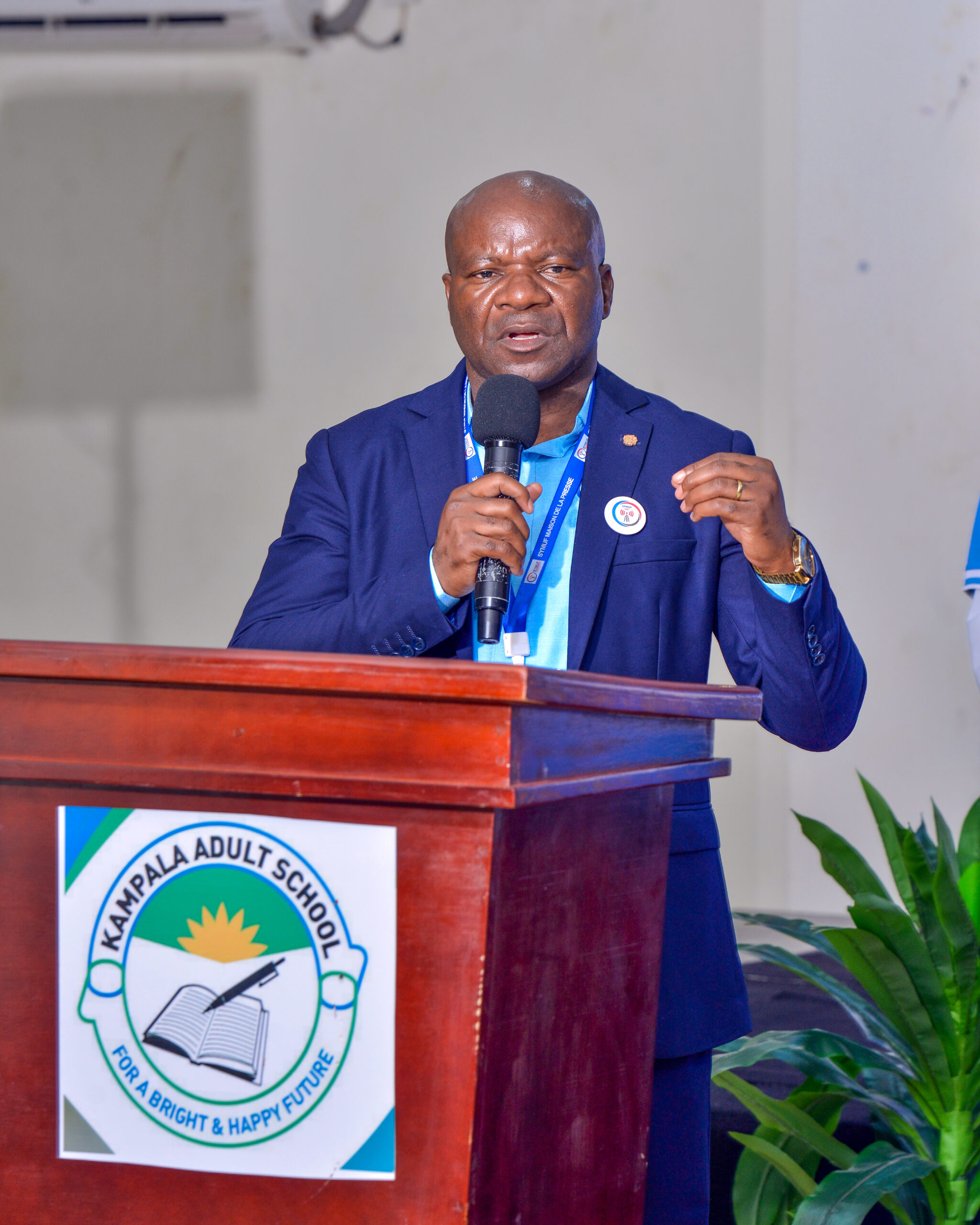
Congolese journalist Aubert Mwibakeca who represented the regional youth organisation SYMUF emphasized that climate education in the Great Lakes region is still fragmented and often inaccessible to the young people who are most affected. Speaking in his capacity as a coordinator for SYMUF’s cross border initiatives, he explained that many climate interventions overlook linguistic diversity, rural access barriers and the realities of communities recovering from conflict.
He said that SYMUF’s work in the DRC, Burundi, Rwanda and Uganda reveals a consistent pattern. Youth engagement rises when platforms for debate and training exist, but such opportunities remain limited and under resourced. Mwibakeca said this is why SYMUF promotes debate based learning, which strengthens critical thinking, policy understanding and confidence in public communication.
He stressed that environmental challenges in the Great Lakes region are interconnected. Deforestation in eastern DRC influences rainfall in Uganda and land degradation in Burundi and Rwanda contributes to regional watershed stress. He argued that these issues require coordinated youth leadership that understands regional ecological links.
Mwibakeca also addressed Uganda’s new carbon market regulations. He said youth must be trained in monitoring, reporting and verification if carbon markets are to benefit communities. Without this, he warned, external actors may dominate the sector while local communities receive minimal benefit. He noted that youth led restoration clubs and environmental groups could serve as future monitors if supported with training and digital tools.
Looking ahead, Mwibakeca announced that SYMUF plans to extend its climate debate program to Malawi, Burundi and several provinces in eastern DRC with a goal of creating a continental climate debate circuit that connects African students with climate negotiators and policymakers.
Linking local action to continental climate realities
The discussions placed local youth concerns within a wider African context where climate impacts are accelerating. Many participants described unpredictable seasons, crop failures, heat stress and flooding as increasingly common in their communities.
Speakers argued that Africa’s climate future cannot be shaped without the leadership of young people who already form the majority population across the continent. They emphasized that national climate ambitions must reflect the daily realities of young citizens who experience the consequences of poor land use planning, weak waste management systems and rapid environmental degradation.
The workshop concluded with a sense of urgency mixed with cautious optimism. Participants agreed that climate action requires both personal responsibility and structural reform. They stressed that Uganda’s carbon market launch presents new possibilities but will only benefit communities if transparency, education and inclusion are prioritized.
The final message echoed throughout the hall. Young people are not just stakeholders. They are central to the present and future of climate action. Their inclusion in policy design, innovation, adaptation and climate finance is essential for Uganda and the wider region.