

Airtel Africa picks Nokia to build cross-continent fiber highway
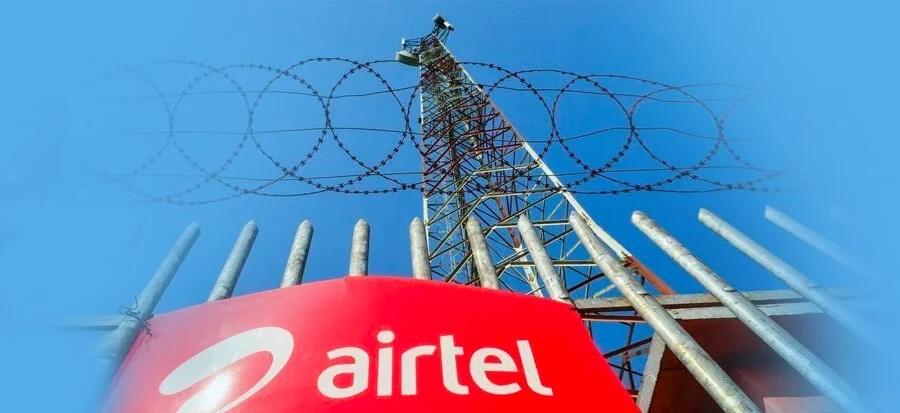
Kampala, Uganda — Airtel Africa has chosen Nokia to build a new high-capacity terrestrial fiber network that will connect countries across East and Central Africa, a move expected to strengthen regional connectivity and close long-standing digital gaps, especially for landlocked nations such as Uganda.
The network, part of Airtel Africa’s fiber service known as Telesonic, will link multiple countries to the 2Africa subsea cable, creating a direct route between inland networks and the global internet backbone. Airtel says the project will support the growing demand for data traffic across Africa and help lower connectivity costs.
Unveiled at AfricaCom 2025 in Cape Town, the project is one of the continent’s most significant terrestrial fiber developments. Nokia’s equipment will form the backbone of the system, using its 1830 Photonic Service Switch technology to deliver speeds of up to 38 terabits per second. The network will stretch across several countries, with 139 operational nodes, and will be ready to handle expanding data needs in cloud services, enterprise communication, and broadband access.
For Uganda, the initiative could be transformative. With no direct access to the sea, the country’s internet capacity depends on cross-border links. Airtel Uganda’s Public Relations Manager, David Birungi, said the new connection “removes a major barrier to world-class connectivity” and gives Uganda a faster, more resilient route to international bandwidth.
Airtel Africa’s Chief Technology Officer, Razvan Ungureanu, said the investment represents “a critical upgrade” to the operator’s continental infrastructure, allowing it to “handle webscale traffic” more efficiently.
Nokia’s regional infrastructure head, Samer Lutfi, described the collaboration as a step toward improving Africa’s digital resilience. He said the technology was designed to “support long-term data growth” and ensure reliable high-speed links across borders.
Industry analysts say projects like this could help shift Africa’s connectivity landscape, where high-capacity bandwidth has long been concentrated around coastal landing points. Extending that capacity inland could improve digital inclusion, enable new services, and support sectors such as education, health, and e-commerce.