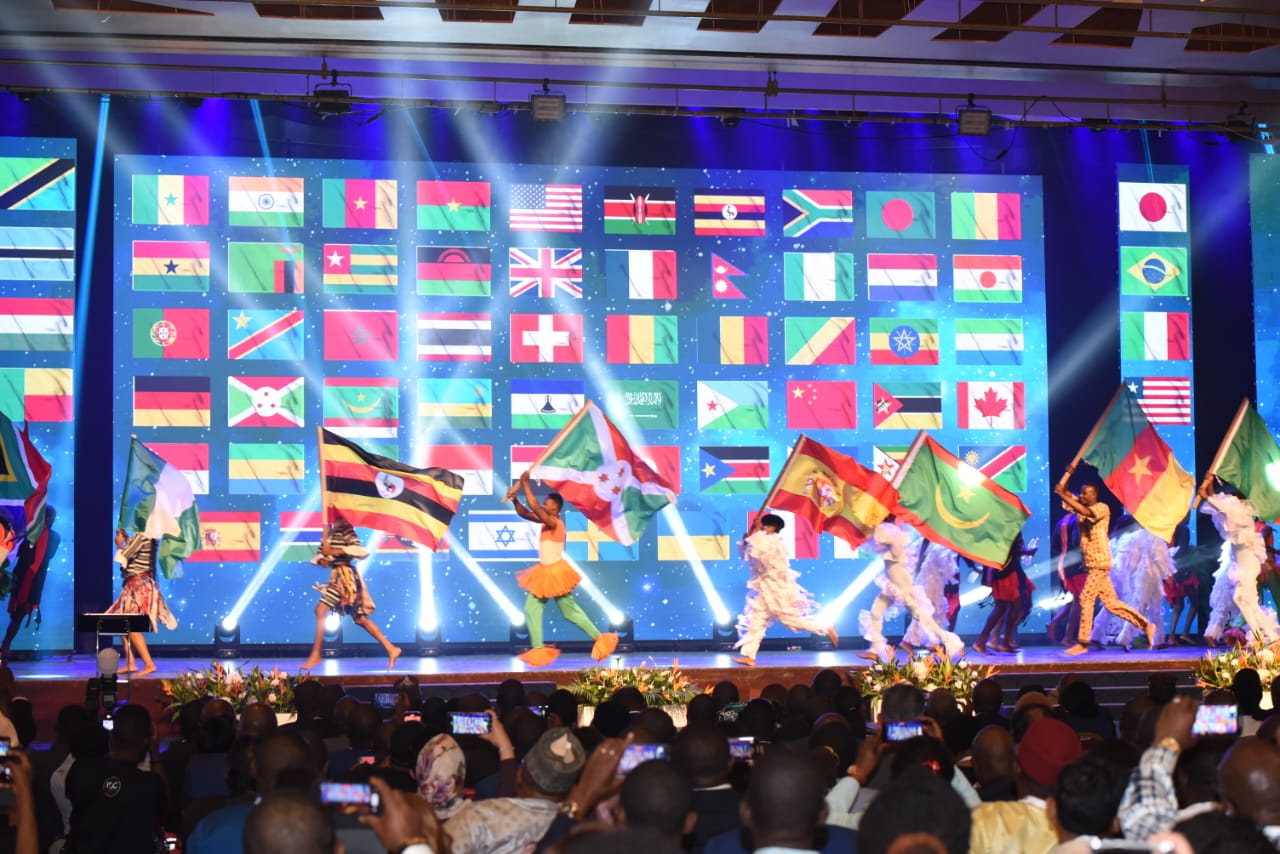


2025 ends with economic gains amid rising fiscal risks
As 2025 draws to a close, Uganda’s economy shows resilience amid global and domestic challenges, but underlying fiscal and social pressures suggest the country faces a complex mix of opportunities and risks heading into 2026.
Economic data indicate that Uganda’s real GDP grew by an estimated 6.3 percent in the 2024/25 financial year, supported by agriculture, manufacturing, construction, and household consumption. Per capita GDP rose to approximately USD 1,263, up from USD 1,159 the previous year, signaling gradual improvements in living standards. Inflation remained low, averaging between 3.5 and 3.9 percent, below the Bank of Uganda’s five percent target.
Significant progress was recorded in the oil and gas sector, with over 100 wells drilled in the Tilenga and Kingfisher projects. Construction of the East African Crude Oil Pipeline continues, although delays are likely to push first oil to mid-2026. External support returned in mid-2025 when the World Bank resumed concessional financing, committing over USD 2 billion to infrastructure, education, health, and social protection projects. At the same time, tariffs on exports under the African Growth and Opportunity Act remain a concern, particularly for coffee and cotton exporters.
Despite strong macroeconomic indicators, public financial management challenges persist. Uganda’s tax-to-GDP ratio stagnated at 14 percent, below regional peers, while total public debt rose to UGX 116.2 trillion, representing 51.3 percent of GDP. Debt servicing now consumes roughly 31 to 40 percent of domestic revenue, limiting funds available for social services including health, education, and agriculture.
Civil society groups have raised concerns about persistent arrears to contractors and suppliers, weak dividend remittance by state-owned enterprises, and value-for-money issues in public projects. Housing Finance Bank remitted less than half of its declared dividends, while other profitable entities such as UETCL, UEGCL, NEC, and Post Bank paid no dividends, reducing resources that could otherwise fund public services.
External shocks added further pressure. The closure of USAID programs in July 2025 removed significant funding for health and development projects, creating a UGX 604 billion gap in HIV/AIDS response and halving refugee food rations. GIZ programs were also suspended, cutting a UGX 22 billion package for governance and accountability initiatives. These developments have strained local NGOs, with over half reporting downsizing, suspension, or closure.
Looking ahead to 2026, Uganda faces what analysts describe as a “perfect storm” of economic, political, and social pressures. Election-year spending could lead to increased off-budget expenditures, procurement pressures, and diversion of funds from long-term development projects. The country also approaches its first oil production year, which could bring significant revenue but risks fueling corruption or mismanagement if public financial management systems are not strengthened.
Food security remains a concern. Imports of staples such as rice and beans have grown faster than exports, creating structural trade deficits that increase vulnerability to price fluctuations and reduce foreign exchange available for domestic agriculture. Meanwhile, global trade volatility, including new tariffs on African exports to the United States, threatens key sectors like coffee.
Civil society groups emphasize that Uganda’s challenge is not the absence of economic growth or policy ambition, but weaknesses in discipline, execution, and accountability. Stronger budgeting, prudent expenditure management, and transparent handling of oil revenues are needed to ensure economic gains reach ordinary citizens.
As the country prepares for the 2026 elections, citizens are urged to focus on service delivery, accountability, employment, and the prudent use of public resources when casting their votes. Observers stress that elections should reinforce democracy and leadership that prioritizes integrity and fiscal discipline.
Ugandans are encouraged to uphold peace and tolerance during the electoral period, with hopes that the next year will balance growth opportunities with strengthened public financial management.